India Women’s National Cricket Team Vs South Africa Women’s National Cricket Team Match Scorecard
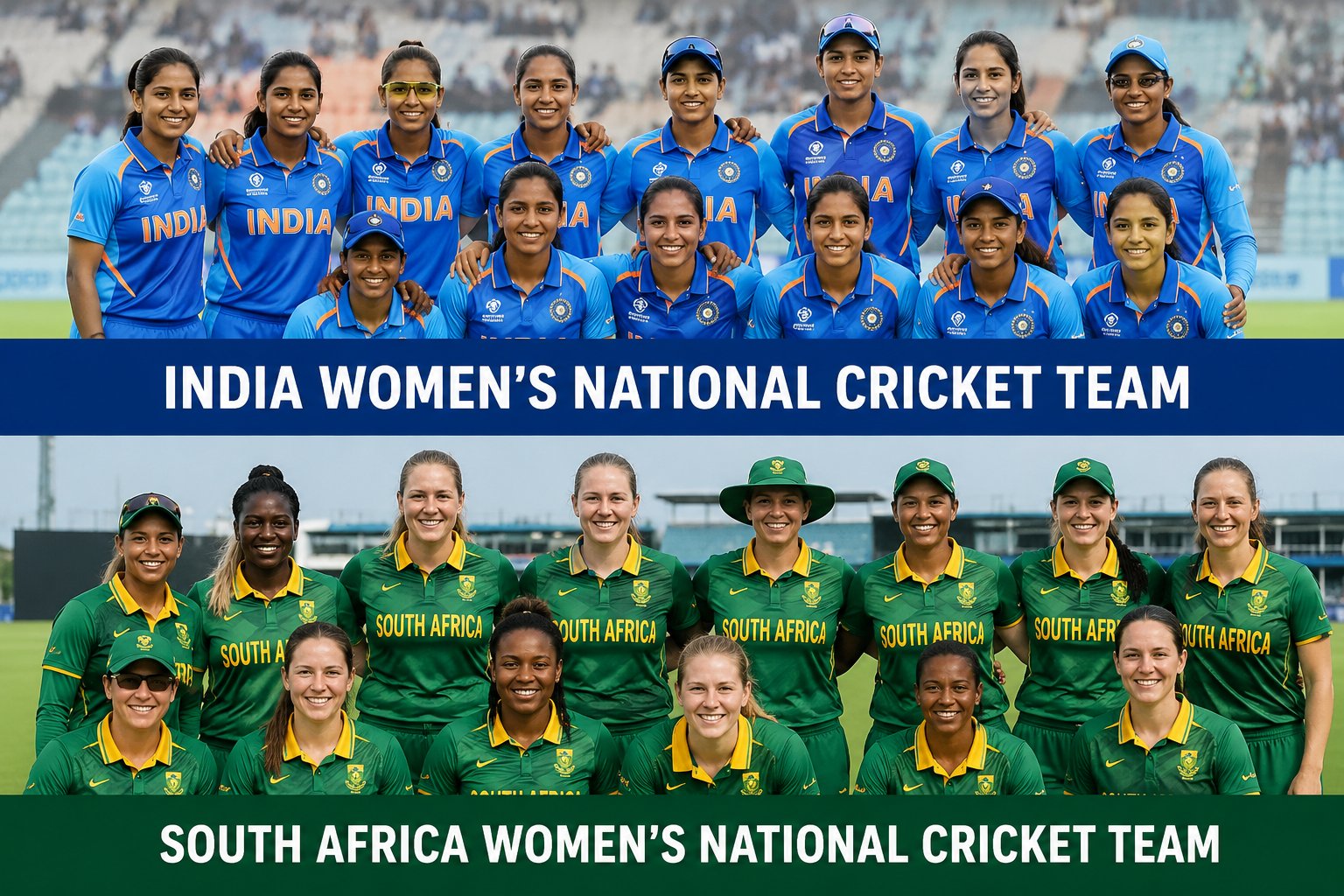
Table of Contents
India Women’s National Cricket Team Vs South Africa Women’s National Cricket Team Match Scorecard reflects one of the most competitive rivalries in modern women’s cricket. Over the years, both teams have delivered memorable performances across ODIs, T20Is, and major international tournaments. Their encounters have featured outstanding batting displays, disciplined bowling attacks, dramatic finishes, and remarkable individual achievements. As women’s cricket has grown globally, matches between these sides have gained significant attention from fans and analysts alike. Each contest has contributed to a rivalry built on skill, determination, and mutual respect. From early meetings to recent battles, these encounters continue to shape the landscape of international women’s cricket.
Recent Matches Table
| Match | Date | Venue | Format | Winner | Margin | Player of Match |
|---|---|---|---|---|---|---|
| 1st T20I | 17 April 2026 | Benoni | T20I | South Africa | 6 wickets | Laura Wolvaardt |
| 2nd T20I | 19 April 2026 | Benoni | T20I | South Africa | 8 wickets | Chloe Tryon |
| 3rd T20I | 22 April 2026 | Benoni | T20I | South Africa | 9 wickets | Laura Wolvaardt |
| 4th T20I | 25 April 2026 | Benoni | T20I | India | 14 runs | Radha Yadav |
| 5th T20I | 27 April 2026 | Benoni | T20I | South Africa | 23 runs | Laura Wolvaardt |
| 1st ODI | 16 June 2024 | Bengaluru | ODI | India | 143 runs | Smriti Mandhana |
| 2nd ODI | 19 June 2024 | Bengaluru | ODI | India | 4 runs | Smriti Mandhana |
Team Statistics Summary Table
| Team | Matches Played | Won | Lost | Tied | No Result | Win Percentage |
|---|---|---|---|---|---|---|
| India Women T20I | 22 | 9 | 12 | 0 | 1 | 40.90 |
| South Africa Women T20I | 22 | 12 | 9 | 0 | 1 | 54.54 |
| India Women ODI | 31 | 18 | 12 | 0 | 1 | 58.06 |
| South Africa Women ODI | 31 | 12 | 18 | 0 | 1 | 38.70 |
| India Women Test | 3 | 2 | 0 | 1 | 0 | 66.66 |
| South Africa Women Test | 3 | 0 | 2 | 1 | 0 | 0.00 |
| Total Head to Head | 56 | 29 | 24 | 2 | 1 | 51.78 |
Individual Batting Records Table
| Player Name | Team | Matches | Innings | Runs | High Score | Average |
|---|---|---|---|---|---|---|
| Smriti Mandhana | India | 45 | 43 | 1542 | 136 | 38.55 |
| Laura Wolvaardt | South Africa | 38 | 38 | 1410 | 115 | 41.42 |
| Harmanpreet Kaur | India | 48 | 44 | 1280 | 107 | 34.59 |
| Shafali Verma | India | 24 | 24 | 845 | 205 | 36.73 |
| Sune Luus | South Africa | 42 | 39 | 912 | 65 | 26.05 |
| Marizanne Kapp | South Africa | 35 | 32 | 885 | 74 | 29.50 |
| Deepti Sharma | India | 40 | 33 | 610 | 78 | 23.46 |
Individual Bowling Records Table
| Player Name | Team | Matches | Overs | Wickets | Best Bowling | Economy |
|---|---|---|---|---|---|---|
| Deepti Sharma | India | 40 | 245.2 | 48 | 4 for 23 | 4.85 |
| Shabnim Ismail | South Africa | 32 | 210.4 | 41 | 4 for 30 | 4.12 |
| Rajeshwari Gayakwad | India | 28 | 184.1 | 35 | 4 for 22 | 4.40 |
| Marizanne Kapp | South Africa | 35 | 198.5 | 33 | 3 for 20 | 4.72 |
| Pooja Vastrakar | India | 22 | 115.0 | 24 | 4 for 13 | 5.15 |
| Ayabonga Khaka | South Africa | 26 | 162.3 | 28 | 3 for 16 | 4.98 |
| Radha Yadav | India | 18 | 64.0 | 19 | 3 for 24 | 6.20 |
When Two Emerging Powers Crossed Paths
The growth of women’s cricket in India and South Africa created an exciting sporting narrative that gradually attracted global attention. Both teams entered international competitions with different strengths, playing styles, and developmental pathways. India relied heavily on technically sound batting and quality spin bowling, while South Africa built a reputation around athletic fielding and disciplined pace attacks. As the years progressed, contests between these sides became increasingly competitive, producing memorable performances and closely fought encounters. Every meeting offered players the opportunity to test themselves against a strong opponent while helping women’s cricket gain wider recognition. Fans from both nations began following these matches with growing enthusiasm, knowing that every series could produce new stars and dramatic moments. The rivalry also contributed to the professional growth of players, coaches, and support staff. Through bilateral series and major tournaments, both teams consistently pushed each other to improve. This competitive environment helped raise standards and encouraged greater investment in women’s cricket. The foundation established during these early years ultimately transformed the contests into one of the most respected rivalries in the modern women’s game.
| Early Era | India Strength | South Africa Strength | Result |
| First Meetings | Batting Depth | Pace Bowling | Competitive |
| Bilateral Games | Spin Attack | Fielding Quality | Balanced |
| ODI Cricket | Consistency | Discipline | Close Matches |
| T20 Cricket | Aggression | Athleticism | Exciting Results |
| Global Events | Experience | Adaptability | Rising Rivalry |
The First Encounters That Set the Tone
The earliest meetings between these teams established the competitive spirit that would define future contests. Both sides entered the field eager to prove their capabilities on the international stage. Early matches often featured cautious batting, disciplined bowling, and tactical decision-making as players learned about each other’s strengths and weaknesses. These encounters provided valuable experience and helped build confidence within both squads. Several emerging players used these opportunities to announce themselves in international cricket, delivering performances that left a lasting impression on supporters. Coaches closely studied opposition tactics, identifying areas where improvements could be made before future meetings. As the teams met more frequently, familiarity increased but so did competitiveness. Victories were celebrated enthusiastically because every result carried significance for rankings, confidence, and momentum. The foundation of mutual respect was established during these years, yet neither side was willing to surrender an advantage. These opening chapters demonstrated that every contest would demand concentration, patience, and skill, setting the stage for a rivalry that would continue to evolve across formats and generations.
| Match Phase | Key Focus | Team Response | Outcome |
| Opening Games | Learning Opponent | Tactical Planning | Valuable Experience |
| Batting Battles | Patience | Adaptation | Competitive Totals |
| Bowling Efforts | Control | Consistency | Tight Matches |
| Fielding Impact | Pressure Creation | Improvement | Key Moments |
| Series Results | Confidence Building | Growth | Rivalry Established |
Building a Competitive Rivalry Across Formats
As cricket evolved, contests expanded across multiple formats, creating new dimensions to the rivalry. One-day matches rewarded consistency and strategic planning, while T20 contests demanded quick thinking and aggressive execution. Test opportunities, though less frequent, showcased technical excellence and endurance. Each format highlighted different strengths and challenged players to adapt. Teams invested heavily in preparation, analyzing opposition tendencies and developing specialized game plans. Batters learned to counter unfamiliar bowling styles, while bowlers refined strategies to exploit weaknesses. This constant adjustment produced fascinating tactical battles that kept supporters engaged. Success in one format rarely guaranteed dominance in another, ensuring that every series began with uncertainty. The rivalry benefited from this diversity because it showcased complete cricketing skill rather than relying on a single style of play. Over time, players became more experienced and professional standards improved significantly. The ability to compete across formats strengthened both squads and enhanced their reputations internationally. These developments transformed routine fixtures into highly anticipated events watched by fans around the world.
| Format | Main Challenge | Key Skill | Team Focus |
| ODI | Consistency | Strategy | Balance |
| T20I | Fast Scoring | Aggression | Adaptability |
| Test | Endurance | Technique | Patience |
| Bilateral Series | Momentum | Teamwork | Preparation |
| Tournament Games | Pressure | Execution | Results |
The Rise of New Heroes and Match Winners
Every great rivalry produces players who repeatedly influence results, and these contests have been no exception. Across different eras, talented batters delivered match-winning innings while bowlers produced crucial breakthroughs under pressure. These performances often arrived during decisive moments when the outcome remained uncertain. Supporters developed strong connections with players who consistently delivered in important situations, turning them into household names. Young cricketers looked up to these stars and studied their techniques, hoping to replicate their success. Captains also played a significant role by making bold decisions that shifted momentum in favor of their teams. Whether through a remarkable century, a decisive spell of bowling, or an outstanding fielding effort, individual brilliance frequently changed the direction of matches. Yet success rarely depended on one player alone. Partnerships, teamwork, and collective resilience often proved equally important. The emergence of new heroes ensured that each generation added fresh excitement to the rivalry. Their contributions enriched the history of these encounters and created memories that supporters continue to discuss long after the matches ended.
| Contribution | Impact | Situation | Result |
| Big Innings | Stability | Pressure Moments | Victory Push |
| Bowling Spell | Breakthrough | Middle Overs | Momentum Shift |
| Captaincy Call | Tactical Edge | Close Match | Advantage |
| Fielding Effort | Run Saving | Crucial Phase | Turning Point |
| Partnership | Recovery | Difficult Situation | Strong Finish |
World Cup Meetings and Tournament Pressure
Tournament cricket introduces a unique level of pressure because every result can influence qualification hopes and championship ambitions. Encounters between these teams on major stages often attracted significant attention from fans and media alike. Players understood the importance of performing well because success could define careers and strengthen national pride. The atmosphere surrounding these matches was intense, with every run, wicket, and fielding effort carrying additional significance. Teams entered tournaments after extensive preparation, studying conditions and developing strategies tailored to high-pressure situations. Captains faced difficult decisions regarding team selection and match tactics, knowing that a single mistake could prove costly. Several contests featured dramatic swings in momentum, highlighting the unpredictable nature of tournament cricket. Strong performances during these events enhanced player reputations and increased confidence for future competitions. The experience gained from competing under such scrutiny helped both teams mature and improve. These high-profile encounters became important chapters in the rivalry, demonstrating the resilience, skill, and determination required to succeed on cricket’s biggest stages.
| Tournament Aspect | Importance | Team Approach | Effect |
| Qualification Race | High Stakes | Careful Planning | Pressure |
| Knockout Scenario | Must Win | Aggressive Tactics | Intensity |
| Fan Expectations | Motivation | Focus | Energy |
| Media Attention | Visibility | Professionalism | Recognition |
| Big Moments | Legacy | Execution | Lasting Impact |
The Series That Changed Everything
Certain series stand out because they redefine expectations and alter the direction of a rivalry. Over the years, several contests between these teams achieved that status by producing unforgettable performances and dramatic results. Momentum shifted repeatedly as players responded to challenges and seized opportunities. Victories in these important series often strengthened confidence and influenced future encounters. Teams discovered new tactical approaches, refined combinations, and gained valuable insights into handling pressure. Supporters followed every match closely, aware that the outcome could shape perceptions for years to come. These series frequently featured outstanding batting displays, disciplined bowling efforts, and remarkable fielding performances. Close finishes added excitement and ensured widespread discussion among cricket followers. The lessons learned during these encounters extended beyond immediate results, helping both sides improve their overall standards. As memories of these matches spread through media coverage and fan conversations, the rivalry gained greater recognition internationally. These transformative series ultimately elevated the competitive relationship and established a stronger foundation for future battles.
| Series Element | Feature | Impact | Legacy |
| Momentum Shift | Multiple Turns | Excitement | Memorable |
| Team Growth | Improved Skills | Confidence | Progress |
| Tactical Changes | New Plans | Advantage | Learning |
| Close Finishes | Drama | Fan Interest | Discussion |
| Overall Result | Competitive Balance | Respect | Strong Rivalry |
Tactical Chess Match Between Bat and Ball
One of the most fascinating aspects of this rivalry has been the constant tactical battle between batters and bowlers. Every match presents a new challenge because conditions, player form, and opposition strategies continue to evolve. Teams carefully analyze strengths and weaknesses before deciding on their approach. Batters focus on building partnerships and rotating strike, while bowlers seek opportunities to create pressure through accuracy and variation. Field placements often reveal strategic intentions, with captains adjusting plans based on match situations. The contest becomes particularly intriguing when momentum shifts suddenly, forcing players to adapt quickly. Successful teams usually combine preparation with flexibility, responding effectively to unexpected developments. Coaches and analysts contribute by providing detailed information that helps players make informed decisions. These strategic elements add depth to the rivalry and demonstrate the intellectual side of cricket. Beyond individual skill, success often depends on execution, awareness, and teamwork. The ongoing battle between attacking intent and defensive control continues to make these encounters compelling for players, experts, and supporters alike.
| Tactical Area | Objective | Method | Benefit |
| Powerplay | Fast Start | Positive Batting | Momentum |
| Middle Overs | Control | Rotation | Stability |
| Death Overs | Acceleration | Big Shots | Higher Total |
| Bowling Plans | Wickets | Variation | Pressure |
| Field Settings | Restriction | Positioning | Advantage |
Conclusion
India Women versus Pakistan Women matches continue to represent passion, pressure, and competitive cricket at the highest level. The rivalry has evolved from one sided contests into closely fought battles filled with tactical brilliance and emotional moments. Legendary players like Mithali Raj, Harmanpreet Kaur, Sana Mir, and Nida Dar helped shape unforgettable chapters in this sporting journey. Fans from both countries eagerly wait for every encounter because these matches always create drama and excitement. As women’s cricket continues to grow globally, this rivalry is expected to become even bigger in the coming years, inspiring future cricketers and delivering many more iconic scorecards and historic moments.
FAQ
Which team has won more matches in this rivalry?
India Women have historically won more matches against Pakistan Women in both ODI and T20 formats.
Which tournament produced the most famous clashes between the two teams?
Asia Cup and ICC Women’s World Cup tournaments have delivered the most memorable and high pressure encounters.
Who is considered the most influential batter in this rivalry?
Mithali Raj is widely regarded as one of the most influential batters because of her consistency and match winning innings.
Which Pakistan player made the biggest impact in important matches?
Sana Mir and Nida Dar played major roles with their leadership, bowling control, and all round performances.
Why is this rivalry important in women’s cricket?
The rivalry attracts huge fan interest, emotional support from both nations, and helps increase the popularity of women’s cricket globally.









Post Comment