India Women Vs Australia Women’s National Cricket Team Match Scorecard
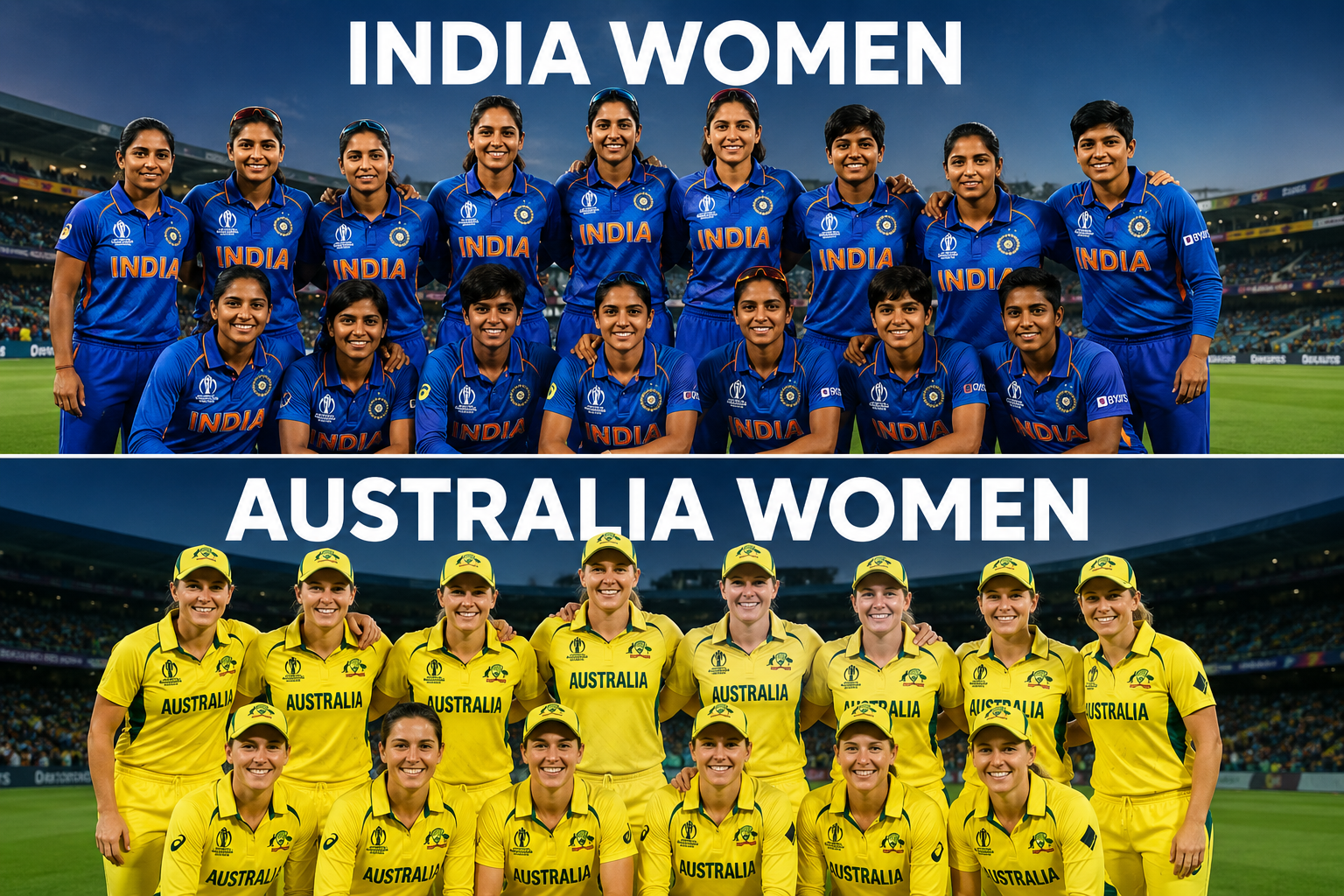
Table of Contents
The encounters between India Women and Australia Women have evolved into one of the most fascinating rivalries in modern cricket. What started as a contest between an emerging side and an established powerhouse gradually transformed into a battle defined by resilience, tactical intelligence, and unforgettable performances. These matches have produced remarkable innings, decisive bowling spells, and pressure-filled moments that captivated supporters around the world. Every meeting reflects the growth of women’s cricket and the determination of players to raise competitive standards. Beyond the scorecards, this rivalry tells a story of ambition, belief, and the relentless pursuit of excellence on the international stage.
Recent Matches Table
| Match [1] | Date | Format | Venue | Winner | Margin | Status |
|---|---|---|---|---|---|---|
| Only Test | 06 March 2026 | Test | Perth | Australia | 10 wickets | Completed |
| 3rd ODI | 28 February 2026 | ODI | Hobart | Australia | 185 runs | Completed |
| 2nd ODI | 26 February 2026 | ODI | Hobart | Australia | 5 wickets | Completed |
| 1st ODI | 23 February 2026 | ODI | Brisbane | Australia | 6 wickets | Completed |
| 3rd T20I | 21 February 2026 | T20I | Adelaide | India | 4 wickets | Completed |
| 2nd T20I | 19 February 2026 | T20I | Canberra | Australia | 19 runs | Completed |
| 1st T20I | 15 February 2026 | T20I | Sydney | India | 21 runs | Completed |
Team Statistics Summary Table
| Team | Innings | Total Runs | Wickets Lost | Overs Faced | Run Rate | Extra Runs |
|---|---|---|---|---|---|---|
| India Women | 1st Innings | 198 | 10 | 62.4 | 3.15 | 14 |
| Australia Women | 1st Innings | 323 | 10 | 90.4 | 3.56 | 22 |
| India Women | 2nd Innings | 149 | 10 | 48.2 | 3.08 | 9 |
| Australia Women | 2nd Innings | 28 | 0 | 4.3 | 6.22 | 1 |
| Australia Women | ODI Innings | 409 | 7 | 50.0 | 8.18 | 19 |
| India Women | ODI Innings | 224 | 10 | 45.1 | 4.95 | 11 |
| Australia Women | T20I Innings | 133 | 10 | 18.0 | 7.38 | 13 |
Individual Batting Records Table
| Player Name [2] | Team | Match Type | Runs Scored | Balls Faced | Fours Hit | Sixes Hit |
|---|---|---|---|---|---|---|
| Annabel Sutherland | Australia | Only Test | 129 | 171 | 16 | 0 |
| Ellyse Perry | Australia | Only Test | 76 | 116 | 9 | 1 |
| Pratika Rawal | India | Only Test | 63 | 137 | 7 | 0 |
| Jemimah Rodrigues | India | Only Test | 52 | 84 | 6 | 0 |
| Shafali Verma | India | Only Test | 35 | 48 | 4 | 1 |
| Sneh Rana | India | Only Test | 30 | 54 | 3 | 0 |
| Georgia Voll | Australia | Only Test | 16 | 13 | 2 | 0 |
Individual Bowling Records Table
| Bowler Name | Team | Overs Bowled | Maidens | Runs Allowed | Wickets Taken | Economy Rate |
|---|---|---|---|---|---|---|
| Sayali Satghare | India | 18.4 | 2 | 50 | 4 | 2.67 |
| Annabel Sutherland | Australia | 17.0 | 4 | 46 | 4 | 2.70 |
| Lucy Hamilton | Australia | 11.0 | 3 | 31 | 3 | 2.81 |
| Lucy Hamilton | Australia | 8.0 | 1 | 32 | 3 | 4.00 |
| Deepti Sharma | India | 17.0 | 1 | 67 | 2 | 3.94 |
| Kranti Gaud | India | 22.0 | 5 | 72 | 2 | 3.27 |
| Sneh Rana | India | 17.0 | 1 | 64 | 1 | 3.76 |
When Two Giants Began Crossing Paths
The rivalry developed through years of contrasting cricket philosophies and evolving standards in women’s cricket. One side carried the confidence of a dominant global force, while the other represented resilience, ambition, and rapid progress. Every meeting became more than a fixture because it reflected changing dynamics within the sport. Experienced campaigners tested emerging talents, while tactical adaptability often determined the outcome. These contests attracted growing audiences and showcased how preparation, fitness, and mental strength influenced results. The competitive nature of these encounters encouraged both teams to push beyond limitations and redefine expectations. What began as uneven contests eventually transformed into compelling battles marked by determination, pressure, and mutual respect. The rivalry also contributed significantly to the increasing popularity of women’s cricket worldwide, inspiring young players to dream bigger and compete fearlessly on the international stage.
| Era | Characteristic | Impact | Outcome |
| Early Years | Learning Phase | Experience Gained | Competitive Growth |
| Transition Period | Tactical Evolution | Better Preparation | Improved Results |
| Global Expansion | Rising Attention | Fan Engagement | Wider Reach |
| Professional Era | Higher Standards | Stronger Squads | Intense Competition |
| Modern Period | Balanced Contests | Greater Expectations | Lasting Legacy |
The First Encounters That Set the Tone
The earliest meetings revealed clear differences in experience and execution. Established stars displayed discipline under pressure, while opponents sought confidence against elite competition. Batting units focused on building partnerships, whereas bowlers relied heavily on consistency and accuracy. Although victories often favored the stronger side, each contest provided valuable lessons about handling pressure and maintaining composure. Fielding standards, match awareness, and tactical discipline emerged as defining factors. Young cricketers embraced these experiences as opportunities to develop confidence against world-class opposition. The encounters gradually reduced the gap between expectation and performance, proving that persistence and adaptability could reshape future outcomes. These formative battles laid the emotional foundation for a rivalry built on ambition, growth, and competitive spirit.
| Match Phase | Focus Area | Learning | Result |
| Opening Overs | Patience | Shot Selection | Stability |
| Middle Overs | Rotation | Partnership Building | Momentum |
| Bowling Plans | Discipline | Line and Length | Control |
| Fielding Efforts | Awareness | Pressure Creation | Opportunities |
| Closing Moments | Composure | Decision Making | Experience |
Australia’s Era of Dominance and India’s Search for Answers
There was a period when one side appeared nearly unbeatable through remarkable consistency and squad depth. Strong domestic structures produced players capable of thriving under pressure, while strategic clarity strengthened performances across formats. Opponents responded by experimenting with combinations and refining preparation methods. Captains sought innovative tactics to disrupt established patterns and challenge experienced campaigners. Every defeat carried lessons regarding execution, intensity, and adaptability. Gradually, improvements in fitness and confidence allowed closer contests to emerge. The pursuit of solutions encouraged investment in development pathways and leadership structures. This phase highlighted that overcoming dominance required patience, planning, and unwavering belief in long-term progress.
| Strength | Challenge | Response | Development |
| Squad Depth | Consistency Gap | Tactical Changes | Better Balance |
| Experience | Pressure Handling | Leadership Growth | Confidence |
| Preparation | Execution Issues | Skill Refinement | Improvement |
| Discipline | Momentum Loss | Strategic Planning | Stability |
| Winning Culture | High Expectations | Continuous Learning | Progress |
Mithali Raj’s Leadership and Growing Belief
Leadership played a transformative role in shaping confidence and identity. Calm decision-making, tactical awareness, and unwavering commitment inspired teammates during difficult situations. Experienced players embraced responsibility, while younger members benefited from guidance and reassurance. Building belief became just as important as technical preparation. Partnerships flourished through trust, and collective ambition encouraged individuals to elevate performances. Success was measured not only through victories but also through competitiveness against elite opposition. The dressing room evolved into an environment that valued resilience, accountability, and composure. Such qualities strengthened unity and fostered a mindset capable of challenging established powers on major occasions.
| Leadership Trait | Influence | Team Effect | Outcome |
| Calmness | Stability | Confidence | Better Decisions |
| Experience | Guidance | Learning | Development |
| Communication | Clarity | Unity | Trust |
| Responsibility | Accountability | Commitment | Growth |
| Resilience | Motivation | Belief | Competitiveness |
World Cup Nights That Raised the Stakes
Global tournaments amplified emotions and intensified scrutiny. Every run carried significance, and every dismissal altered momentum dramatically. Supporters followed each moment with anticipation, knowing that opportunities on the biggest stages were precious. Tactical flexibility became crucial as captains adjusted strategies according to conditions and match situations. Players confronted immense expectations while attempting to remain focused on execution. Heroic performances created unforgettable memories, while narrow defeats tested emotional resilience. Such encounters elevated standards and contributed to the expanding influence of women’s cricket. The pressure of tournament cricket transformed ordinary contests into defining chapters remembered for years.
| Tournament Factor | Pressure Point | Response | Legacy |
| Knockout Stakes | Expectations | Composure | Inspiration |
| Crowd Attention | Emotional Weight | Focus | Memories |
| Tactical Changes | Adaptation | Flexibility | Growth |
| Individual Brilliance | Responsibility | Leadership | Recognition |
| Defining Moments | Resilience | Determination | History |
Tactical Chess Matches Behind the Results
Success frequently depended upon preparation and strategic awareness rather than talent alone. Captains assessed conditions carefully before deploying bowlers and adjusting field placements. Batters identified scoring areas while balancing aggression with caution. Spin variations, pace changes, and disciplined execution influenced momentum shifts throughout innings. Match awareness separated experienced performers from inexperienced competitors during critical moments. Teams continuously analyzed strengths and weaknesses to gain small advantages capable of deciding outcomes. These tactical battles reflected the intellectual side of cricket, where planning and adaptability proved equally valuable as technical skill and athletic ability.
| Tactical Element | Objective | Application | Benefit |
| Field Placement | Restrict Runs | Pressure Building | Wickets |
| Bowling Rotation | Control Flow | Matchups | Balance |
| Batting Tempo | Manage Risks | Strike Rotation | Stability |
| Spin Variation | Create Errors | Deception | Breakthroughs |
| Game Awareness | Smart Decisions | Adaptation | Advantage |
Record Breaking Feats and Lasting Impact
Extraordinary achievements elevated the rivalry beyond scorelines and statistics. Remarkable innings, decisive spells, and influential partnerships captured public imagination and inspired future generations. Records symbolized dedication, preparation, and the pursuit of excellence. Young fans discovered new heroes whose performances encouraged participation and belief. The growing visibility of these contests attracted investment, media attention, and broader recognition for women’s cricket. Beyond victories and defeats, the enduring legacy lies in changing perceptions and proving that elite competition can unite audiences through shared admiration for skill and determination. The influence of these memorable achievements continues shaping the sport’s future across the world.
| Achievement | Significance | Influence | Legacy |
| Landmark Innings | Inspiration | Fan Interest | Recognition |
| Bowling Excellence | Match Impact | Respect | Standards |
| Historic Partnerships | Teamwork | Motivation | Memories |
| Individual Records | Achievement | Aspirations | Inspiration |
| Global Attention | Growth | Opportunity | Lasting Change |
Conclusion
The journey of this rivalry extends far beyond victories and defeats. It represents the evolution of women’s cricket through passion, discipline, and continuous improvement. Historic performances, record-breaking achievements, and emotional contests have strengthened its significance among global audiences. The players involved have inspired future generations to embrace the sport with confidence and determination. As both teams continue to challenge one another, their meetings remain a celebration of elite competition and sporting spirit. This enduring rivalry has not only shaped careers and memorable moments but has also contributed to the expanding legacy and popularity of women’s cricket worldwide.
FAQs
Q1. Why is this rivalry considered important in women’s cricket?
Because it showcases elite competition, memorable performances, and the growth of women’s cricket on the global stage.
Q2. Which factors have made these contests highly competitive?
Strong leadership, tactical adaptability, experienced players, and the ability to perform under pressure have shaped the rivalry.
Q3. What role have major tournaments played in this rivalry?
Global events intensified expectations, increased fan engagement, and produced several unforgettable moments.
Q4. How has this rivalry influenced women’s cricket?
It has attracted wider audiences, inspired young cricketers, and encouraged greater investment in the women’s game.
Q5. What makes these encounters memorable for supporters?
Dramatic finishes, individual brilliance, emotional intensity, and the constant battle for supremacy keep fans deeply invested.










Post Comment