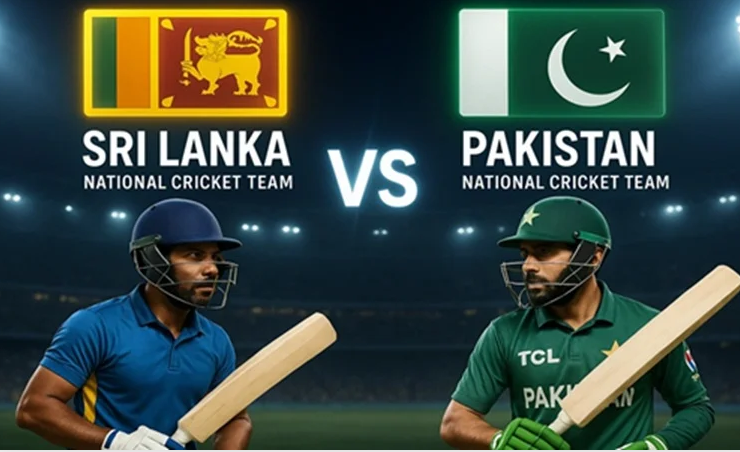
Pakistan National Cricket Team Vs Sri Lanka National Cricket Team Standings
Table of Contents
Cricket rivalries in Asia have always carried a special intensity, shaped by history, conditions, and passionate fan bases. When two established international sides meet, the contest goes beyond numbers and scorecards, becoming a reflection of evolving cricket cultures and competitive pride. Over the years, encounters between these teams have produced dramatic finishes, tactical battles, and standout individual performances that have defined entire series. From early cautious meetings to modern high-pressure thrillers, the journey reflects how both sides adapted, improved, and pushed each other to higher standards. Each match added a new layer of emotion, strategy, and unpredictability, making every encounter worth remembering for players and fans alike.
Recent Matches
Date
Format
Venue
Winner
Margin
Top Scorer
Best Bowler
Jun 4, 2026
T20I
Southampton
Pakistan
5 runs
Babar Azam
Shaheen Afridi
Nov 12, 2025
ODI
Lahore
Pakistan
3 wickets
Fakhar Zaman
Haris Rauf
Nov 9, 2025
ODI
Lahore
Sri Lanka
44 runs
Kusal Mendis
Maheesh Theekshana
Nov 6, 2025
ODI
Karachi
Pakistan
62 runs
Mohammad Rizwan
Naseem Shah
Jul 28, 2024
Test
Colombo
Pakistan
Innings and 222 runs
Abdullah Shafique
Noman Ali
Jul 20, 2024
Test
Galle
Pakistan
4 wickets
Saud Shakeel
Abrar Ahmed
Oct 10, 2023
ODI
Hyderabad
Pakistan
6 wickets
Mohammad Rizwan
Hasan Ali
Team Statistics Summary
Format
Total Matches
Pakistan Wins
Sri Lanka Wins
No Result
Pakistan Win PCT
Sri Lanka Win PCT
Test
59
23
17
19
38.98%
28.81%
ODI
159
94
59
6
59.11%
37.10%
T20I
24
14
10
0
58.33%
41.66%
World Cup ODI
9
8
0
1
88.88%
0.00%
World Cup T20
5
4
1
0
80.00%
20.00%
Asia Cup ODI
17
5
12
0
29.41%
70.58%
Asia Cup T20
4
1
3
0
25.00%
75.00%
Individual Batting Records
Player
Team
Matches
Innings
Runs
Highest Score
Average
Inzamam-ul-Haq
Pakistan
59
57
2265
226
45.30
Kumar Sangakkara
Sri Lanka
56
54
2154
138
43.08
Sanath Jayasuriya
Sri Lanka
79
78
2517
130
33.11
Saeed Anwar
Pakistan
52
52
2198
115
44.85
Marvan Atapattu
Sri Lanka
49
47
1582
119
35.15
Javed Miandad
Pakistan
35
33
1453
115
51.88
Mahela Jayawardene
Sri Lanka
53
50
1402
121
29.83
Individual Bowling Records
Bowler
Team
Matches
Innings
Wickets
Best Bowling
Economy
Muttiah Muralitharan
Sri Lanka
67
65
96
5 for 23
3.61
Wasim Akram
Pakistan
61
60
92
5 for 38
3.79
Waqar Younis
Pakistan
46
45
84
6 for 26
4.14
Chaminda Vaas
Sri Lanka
53
52
71
6 for 25
4.18
Shahid Afridi
Pakistan
54
51
64
5 for 11
4.54
Lasith Malinga
Sri Lanka
32
31
48
5 for 34
5.21
Saqlain Mushtaq
Pakistan
31
31
46
5 for 20
4.28
Early Formation of a Cross Border Cricket Rivalry
The rivalry began in the early days of international meetings when both sides were still shaping their identities in world cricket. One team relied heavily on pace, aggression, and unpredictable bursts of brilliance, while the other gradually built a reputation for discipline, spin strength, and calculated batting depth. These early encounters were not just about winning or losing but about establishing respect and proving capability on the international stage. Matches were often low scoring, with challenging pitches and high-pressure environments testing both batting lineups. Fans quickly became emotionally invested as every meeting carried a sense of unpredictability. Even when one side appeared stronger on paper, the contest on the field told a different story. These early games laid the foundation for a rivalry that would grow in intensity over decades, setting the tone for future battles filled with tactical evolution and emotional pressure.
Era
Format Focus
Dominant Strength
Match Style
Key Theme
Early Years
Test & ODI
Fast Bowling
Low Scoring
Establishment Phase
Transition Phase
ODI Growth
Balanced Attack
Competitive
Rising Intensity
Development Era
Mixed Formats
Spin + Pace
Tactical
Identity Building
Expansion Phase
ICC Events
Batting Depth
Pressure Games
Global Exposure
Evolution of Competitive Balance in Early Encounters
As international cricket expanded, the balance between the two sides began to shift more noticeably. One team started to develop stronger batting consistency, while the other refined its bowling attack with reverse swing and pace variations. This period saw more closely fought contests where results were often decided in the final overs or last session of play. Fielding standards improved, and fitness became a major factor influencing outcomes. Both teams learned from each encounter, leading to smarter game plans and better execution under pressure. Coaches emphasized adaptability, especially when playing in different subcontinent conditions. These matches were no longer one-sided; instead, they became tactical battles where small mistakes carried significant consequences. The rivalry started to gain attention from global audiences as it consistently delivered unpredictable and entertaining cricket.
Phase
Key Improvement
Tactical Shift
Match Outcome Pattern
Impact Area
Early Development
Batting Stability
Defensive Approach
Mixed Results
Learning Curve
Mid Growth
Bowling Variety
Aggressive Spells
Close Finishes
Strategic Depth
Maturity Phase
Fielding Standards
Adaptive Plans
Tight Games
Execution Quality
Competitive Peak
Pressure Handling
Balanced Strategy
Final Over Results
Global Recognition
Rise of One Side as a Strong Asian Contender
During the next phase, one team emerged as a dominant force in limited overs cricket, bringing innovation and fearless cricket into the spotlight. Their batting lineup became known for aggressive starts and fearless chasing ability. At the same time, they developed bowlers who could handle pressure in death overs with precision and calm execution. This transformation changed the nature of their encounters, forcing the opposition to rethink strategies. The other team responded with technical batting improvements and stronger spin combinations designed to control the middle overs. Matches became more structured but still unpredictable due to momentum shifts. This era also saw iconic performances where individual brilliance changed entire match outcomes. Fans witnessed dramatic comebacks, surprising collapses, and unforgettable finishes that defined the rivalry’s identity.
Aspect
Strength Developed
Key Advantage
Match Influence
Tactical Outcome
Batting
Aggressive Style
Fast Starts
High Scores
Early Dominance
Bowling
Death Overs Skill
Pressure Control
Tight Finishes
Defensive Wins
Fielding
Athletic Standards
Run Saving
Momentum Shift
Match Control
Strategy
Flexible Plans
Adaptability
Unpredictable Results
Balanced Contests
Tactical Response and Strategic Reinvention
In response to rising competition, both teams began reshaping their tactical approaches. One focused heavily on pace attack dominance, using reverse swing and aggressive short-ball strategies, while the other strengthened spin depth and batting patience. Captains played a crucial role in adjusting field placements and bowling rotations based on pitch conditions. Coaches introduced data-driven analysis to study opposition weaknesses. This phase saw matches becoming more calculated, with fewer reckless mistakes and more structured innings building. However, pressure moments still led to unexpected collapses or sudden breakthroughs. The rivalry became a chess match rather than just a physical contest. Every run and wicket carried strategic importance, and momentum shifts were carefully managed through planning and execution.
Tactical Area
Approach Used
Execution Style
Result Pattern
Key Benefit
Bowling
Pace Strategy
Aggressive Lines
Early Wickets
Pressure Build
Spin Attack
Control Focus
Tight Overs
Middle Overs Domination
Run Restriction
Batting
Structured Play
Partnership Building
Stable Totals
Match Control
Captaincy
Field Adjustment
Reactive Strategy
Balanced Outcomes
Tactical Flexibility
High Pressure Encounters and Final Over Drama
As the rivalry matured, matches increasingly reached high-pressure situations where final overs decided outcomes. Chasing teams often found themselves in tense scenarios requiring calculated aggression. Bowlers, on the other hand, relied on variations and psychological pressure to defend totals. These matches produced unforgettable finishes where single deliveries changed results. Crowd energy amplified pressure, especially in home conditions where fans created intense atmospheres. Several games became iconic due to last-over finishes, missed chances, and unexpected heroes emerging under pressure. These encounters defined the emotional core of the rivalry, making it one of the most exciting matchups in international cricket. Players learned to handle nerves, but pressure moments continued to produce dramatic twists.
Situation
Pressure Level
Key Skill Required
Common Outcome
Match Impact
Final Over Chase
Very High
Composure
Close Finishes
Result Shift
Defending Total
High
Variations
Tight Wins
Bowling Edge
Middle Collapse
Medium
Recovery Batting
Rebuild Innings
Momentum Change
Death Overs
Extreme
Execution Accuracy
Last Ball Results
High Drama
Test Format Battles of Patience and Endurance
In longer formats, the rivalry took a different shape, focusing more on patience, endurance, and technical skill. Batters were tested against long spells of disciplined bowling, while bowlers needed consistency over extended sessions. Spin often played a major role in subcontinental conditions, while reverse swing became crucial for breakthroughs. Draws were common, but many matches produced thrilling final-day finishes where strategy and mental strength mattered more than raw talent. Individual performances stood out, including long centuries and five-wicket hauls that defined match outcomes. Captains had to make bold declarations and field adjustments to force results. These matches highlighted the mental toughness required at the highest level.
Test Element
Key Factor
Impact on Match
Player Requirement
Outcome Type
Batting
Concentration
Long Innings
Technique
Stability
Bowling
Consistency
Breakthroughs
Patience
Wickets
Spin Play
Turn Control
Middle Overs
Skill
Pressure
Captaincy
Strategy
Result Push
Decision Making
Draw or Win
Modern Era of Fast Format Intensity
In modern cricket, shorter formats transformed the rivalry into a fast-paced contest filled with explosive batting and strategic bowling changes. Power hitters dominated the early overs, while bowlers focused on variations like slower balls, yorkers, and cutters. Matches became highly dynamic with momentum shifting rapidly. Fielding standards reached new heights, saving crucial runs and creating direct run-out opportunities. The unpredictability of T20-style cricket made every encounter exciting for fans. Teams began using analytics to determine matchups and optimize player roles. Despite all advancements, pressure moments still defined results, especially in final overs where execution mattered more than strategy.
T20 Factor
Strategy Used
Key Strength
Match Effect
Outcome Influence
Powerplay
Aggression
Fast Scoring
High Totals
Early Edge
Middle Overs
Rotation
Control
Stabilization
Balanced Phase
Death Overs
Variations
Precision
Run Restriction
Final Result
Fielding
Athleticism
Saves
Pressure Build
Game Shift
Legacy and Long Term Cricket Impact
Over time, this rivalry has contributed significantly to Asian cricket development. It has produced legendary players, unforgettable matches, and moments that shaped cricket history. Both teams have learned from each other, improving techniques, strategies, and mental toughness. The rivalry has also strengthened fan culture, with emotional engagement reaching high levels during major tournaments. Even today, matches between these sides attract global attention due to their unpredictable nature. The legacy is not just about wins or losses but about how each encounter has added to the sport’s evolution. Future generations continue to build on this foundation, ensuring that the rivalry remains relevant and competitive in all formats.
Legacy Area
Contribution
Long Term Impact
Fan Influence
Cricket Growth
Players
Legends Created
Global Recognition
High Emotion
Skill Evolution
Matches
Iconic Games
Historic Moments
Strong Engagement
Entertainment Value
Strategy
Tactical Growth
Modern Approach
Analysis Culture
Game Development
Rivalry
Balanced Competition
Ongoing Interest
Loyal Fans
Sport Expansion
Conclusion
This long-standing cricketing journey highlights how competition can shape identity and elevate performance over time. Every encounter contributed to a deeper understanding of strategy, resilience, and execution under pressure. The rivalry evolved through shifting eras, changing formats, and emerging talents, yet the intensity never faded. Close finishes, tactical masterstrokes, and unforgettable individual performances ensured that each chapter remained significant. Beyond wins and losses, the contest became a symbol of respect, growth, and sporting excellence. As both sides continue to evolve in modern cricket, their meetings remain highly anticipated, promising more drama, excitement, and defining moments in the years ahead.




Post Comment