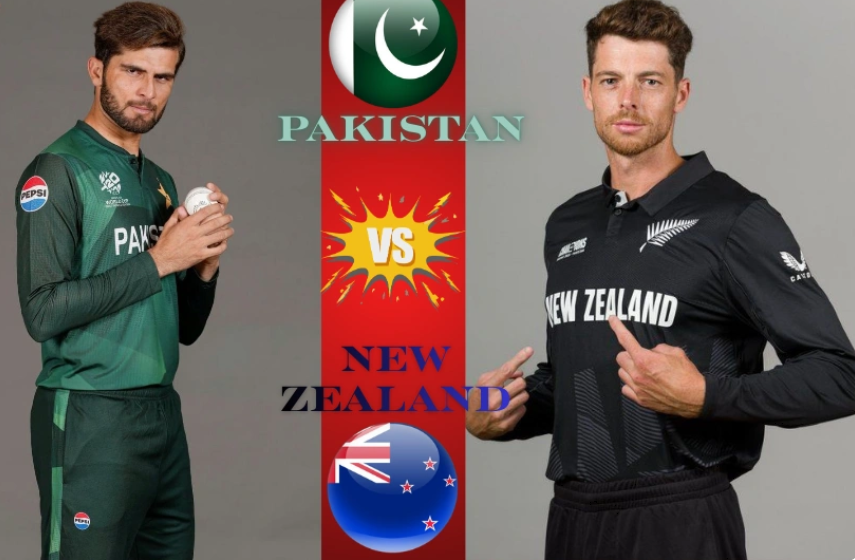
New Zealand National Cricket Team Vs Pakistan National Cricket Team Standings
Table of Contents
Cricket has produced many memorable rivalries, but few have showcased such an interesting contrast in styles, strategies, and personalities. Over the years, these two international teams have delivered thrilling contests across Tests, One Day Internationals, and T20 Internationals. Their meetings have featured legendary batting performances, devastating bowling spells, dramatic finishes, and unforgettable tournament clashes. Every series has added a new chapter to a story shaped by determination, skill, and competitive spirit. From early encounters to modern-day battles, this rivalry has consistently captured the attention of cricket fans and continues to be an important part of international cricket history.
Recent Matches Table
Date
Format
Venue
Winner
Margin
New Zealand Score
Pakistan Score
21 Feb 2026
T20I
Colombo
No Result
Abandoned
0/0
0/0
05 Apr 2025
ODI
Mount Maunganui
New Zealand
43 runs
264/8
221
02 Apr 2025
ODI
Hamilton
New Zealand
84 runs
292/8
208
29 Mar 2025
ODI
Napier
New Zealand
73 runs
344/9
271
26 Mar 2025
T20I
Wellington
New Zealand
8 wickets
131/2
128/9
23 Mar 2025
T20I
Mount Maunganui
New Zealand
115 runs
220/6
105
21 Mar 2025
T20I
Auckland
Pakistan
5 wickets
154/7
155/5
Team Statistics Summary Table
Format
Total Matches
New Zealand Wins
Pakistan Wins
No Result
Highest NZ Score
Highest PAK Score
Test
62
14
25
23
659/6
643/5
ODI
118
54
60
4
369/5
364/7
T20I
50
23
24
3
226/8
207/1
Overall
230
91
109
30
659/6
643/5
Last 10
10
7
2
1
344/9
271
Home NZ
108
52
41
15
659/6
565
Away PAK
74
21
48
5
563
643/5
Individual Batting Records Table
Player Name
Team
Matches
Innings
Total Runs
Highest Score
Batting Average
Kane Williamson
New Zealand
45
52
2341
242
48.77
Babar Azam
Pakistan
38
44
1984
103
47.23
Mohammad Rizwan
Pakistan
32
35
1412
98
44.12
Tom Latham
New Zealand
35
39
1320
118
38.82
Devon Conway
New Zealand
28
31
1145
122
41.34
Fakhar Zaman
Pakistan
25
25
1088
180
45.33
Glenn Phillips
New Zealand
31
29
942
69
36.23
Individual Bowling Records Table
Player Name
Team
Matches
Innings
Total Wickets
Best Bowling
Bowling Average
Tim Southee
New Zealand
48
54
92
5/18
24.56
Shaheen Afridi
Pakistan
35
38
74
5/54
23.12
Mitchell Santner
New Zealand
42
45
61
4/28
27.84
Haris Rauf
Pakistan
28
28
52
4/18
22.45
Matt Henry
New Zealand
26
28
48
4/35
25.12
Shadab Khan
Pakistan
31
31
43
3/19
29.41
Ish Sodhi
New Zealand
34
33
41
3/27
26.85
The Day Two Cricket Worlds First Collided
The rivalry began when two cricketing cultures with completely different philosophies met on the international stage. One side relied heavily on natural talent, flair, and unpredictability, while the other built its reputation on discipline, planning, and consistency. Early contests were more than simple matches because they introduced contrasting cricket identities to global audiences. The first meetings were competitive despite differences in experience and playing conditions. Players quickly realized that every encounter demanded adaptation, whether facing swing-friendly conditions or challenging subcontinental tactics. Fans gradually developed interest as each series delivered fresh storylines and unexpected performances. Several close finishes helped transform ordinary bilateral contests into memorable sporting occasions. The growing competition also encouraged both teams to improve their tactical preparation. Captains learned valuable lessons about handling pressure situations, while coaches focused on exploiting weaknesses in opposition lineups. These formative years laid the foundation for a rivalry that would eventually produce thrilling finishes, legendary individual performances, and unforgettable moments across multiple cricket formats.
Era
Venue Type
Match Style
Key Feature
Result Trend
Early Years
Neutral Grounds
Test Cricket
Tactical Battles
Balanced
Expansion Phase
Home Venues
ODI Cricket
Competitive Games
Mixed Results
Transition Era
Overseas Tours
Multi Format
Adaptation
Evenly Matched
Modern Period
Global Venues
High Intensity
Strategic Cricket
Close Contests
Current Stage
International Events
All Formats
Consistency
Competitive
Pakistan’s Flair Meets New Zealand’s Discipline
The rivalry gained depth because both sides approached the game differently. Aggressive stroke play and attacking bowling often collided with calculated planning and structured execution. These differences created fascinating contests where momentum could shift dramatically within a single session. Batters frequently attempted to dominate bowling attacks early, while fielding captains searched for innovative methods to control scoring opportunities. As more series were played, analysts began highlighting the contrast between instinctive cricket and strategic cricket. Fans enjoyed these encounters because no outcome ever felt certain. A strong start rarely guaranteed victory, and many matches turned due to one tactical adjustment or a crucial individual contribution. The rivalry also encouraged players to broaden their skills, especially when touring unfamiliar conditions. Bowlers refined their variations, while batters learned to handle different pitch behaviors. Over time, these contests evolved beyond simple results and became case studies in how different cricketing philosophies could compete successfully at the highest level.
Aspect
Team Style
Strength
Challenge
Impact
Batting
Aggressive
Fast Scoring
Consistency
High Pressure
Bowling
Disciplined
Control
Adaptation
Match Influence
Fielding
Energetic
Momentum
Errors
Game Changing
Captaincy
Tactical
Flexibility
Decisions
Key Moments
Preparation
Structured
Planning
Execution
Competitive Edge
The Rivalry Finds Its First Heroes
Every great sporting rivalry requires iconic performers, and this contest quickly produced players capable of changing matches on their own. Several batters delivered innings that became reference points for future generations, while bowlers produced spells that shifted momentum dramatically. These standout performances often arrived when pressure was highest, making them even more significant. Crowds developed emotional connections with players who consistently performed in crucial situations. Some became known for match-winning centuries, while others earned recognition through disciplined bowling and remarkable consistency. Their achievements helped elevate the rivalry’s reputation internationally. Media coverage increased as journalists highlighted personal battles between star performers. Fans eagerly anticipated these matchups because they represented more than individual contests. They symbolized pride, reputation, and competitive spirit. The emergence of memorable cricketing heroes transformed routine fixtures into major events. Their contributions shaped perceptions of the rivalry and created lasting memories that continue to influence discussions about the greatest matches played between the two sides.
Category
Performance Type
Importance
Match Effect
Legacy
Batting
Century
High
Momentum Shift
Historic
Bowling
Five Wickets
High
Opposition Collapse
Memorable
Partnership
Match Saving
Medium
Stability
Valuable
Captaincy
Tactical Move
Medium
Turning Point
Respected
Fielding
Crucial Catch
High
Breakthrough
Lasting
Battles Across Continents and Conditions
Different playing environments added another layer of intrigue to the rivalry. Conditions varied significantly from venue to venue, forcing teams to rethink strategies before every tour. Fast and bouncy pitches favored seam bowlers, while slower surfaces demanded patience and technical discipline. Successful teams were usually those capable of adapting quickly. Touring squads often spent weeks preparing for unfamiliar conditions because small adjustments could determine the outcome of an entire series. Captains faced difficult decisions regarding team selection, bowling combinations, and batting order flexibility. Home advantage frequently played a role, yet visiting teams occasionally produced remarkable performances that surprised local supporters. These victories carried extra significance because they demonstrated adaptability and mental strength. Analysts often viewed overseas success as a measure of cricketing maturity. As the rivalry expanded across continents, it became increasingly respected for its competitiveness. Every venue introduced new tactical challenges, ensuring that no two series felt exactly the same.
Venue Type
Pitch Nature
Bowling Benefit
Batting Approach
Match Pattern
Fast Tracks
Bounce
Pace Attack
Controlled Aggression
Dynamic
Slow Surfaces
Turn
Spin Support
Patience
Tactical
Neutral Grounds
Balanced
Mixed
Flexible
Unpredictable
Coastal Venues
Swing
Seam Movement
Technique
Challenging
Dry Conditions
Variable
Variation
Adaptation
Competitive
World Cup Pressure Changes Everything
Tournament cricket introduced a completely different level of intensity. Every mistake carried greater consequences because knockout qualification and championship ambitions were at stake. Players who performed comfortably in bilateral cricket suddenly faced enormous pressure from fans, media, and expectations. High-profile tournament meetings often produced dramatic narratives filled with tension and emotion. Captains focused heavily on preparation because a single tactical decision could determine progression. Batters had to balance aggression with responsibility, while bowlers needed precision under intense scrutiny. Crowd involvement also reached another level during major global events. Supporters followed every delivery, celebrating breakthroughs and worrying about setbacks. Several tournament encounters became defining chapters in cricket history due to their significance and drama. These matches frequently produced standout performances from experienced players who embraced pressure rather than avoiding it. The rivalry gained additional prestige through these global competitions, where success carried lasting importance and helped shape international reputations.
Tournament Stage
Pressure Level
Key Factor
Team Focus
Outcome Impact
Group Match
Medium
Consistency
Points
Important
Super Stage
High
Momentum
Qualification
Significant
Semi Final
Very High
Execution
Opportunity
Massive
Final Stage
Extreme
Nerves
Trophy
Historic
Global Events
Maximum
Experience
Success
Lasting
The Era of Wasim, Waqar and New Zealand Resistance
One of the most compelling periods featured world-class fast bowling against determined batting lineups. Pace attacks consistently tested technique, courage, and concentration. Batters often faced relentless pressure as bowlers generated movement, bounce, and reverse swing. Yet resistance emerged through disciplined shot selection and patient innings construction. Several contests from this era are remembered because they showcased elite cricketing skills from both sides. Fast bowlers hunted wickets aggressively, while batting units relied on partnerships and resilience. Captains frequently built strategies around controlling key players and disrupting rhythm. The intensity of these encounters attracted significant attention from cricket followers worldwide. Every session felt meaningful because momentum could change quickly. The era also highlighted the importance of mental strength. Success required players to remain composed despite hostile spells and challenging match situations. These battles strengthened the rivalry’s reputation and produced many performances that remain celebrated among cricket enthusiasts.
Element
Focus Area
Strength
Challenge
Result
Pace Bowling
Attack
Wickets
Control
Success
Batting
Resistance
Patience
Pressure
Stability
Captaincy
Planning
Leadership
Adaptation
Influence
Fielding
Support
Energy
Consistency
Breakthroughs
Team Balance
Strategy
Depth
Execution
Competitive
Stephen Fleming, Inzamam and a New Generation of Leaders
Leadership became a defining factor as a new generation took responsibility for guiding their teams through important phases of the rivalry. Modern captains emphasized preparation, data analysis, and flexible tactics. Their influence extended beyond on-field decisions because they shaped team culture and long-term direction. Experienced leaders understood how to manage pressure, motivate teammates, and respond to unexpected challenges. Several memorable encounters from this period were decided by tactical adjustments rather than individual brilliance alone. Bowling changes, field placements, and batting strategies often played decisive roles. Fans appreciated the chess-like nature of these contests because every move carried significance. Teams also benefited from stronger support structures, including coaches, analysts, and fitness specialists. As cricket evolved, leadership became increasingly complex. Successful captains combined traditional cricket knowledge with modern strategic thinking. Their contributions ensured that the rivalry continued evolving while maintaining the competitive spirit that had defined it from the beginning.
Leadership Area
Primary Goal
Tactical Role
Team Benefit
Long Term Effect
Captaincy
Direction
Decision Making
Stability
Growth
Batting Plans
Run Creation
Flexibility
Consistency
Success
Bowling Plans
Wicket Taking
Variation
Control
Advantage
Field Placement
Pressure
Execution
Breakthroughs
Impact
Team Culture
Unity
Motivation
Confidence
Sustainability
Conclusion
The journey of this rivalry reflects the evolution of modern cricket itself. Across different generations, players have produced remarkable performances that have influenced series results and created lasting memories for supporters around the world. Tactical innovation, individual brilliance, and the ability to perform under pressure have defined many of the most memorable encounters. As new talent continues to emerge, the rivalry remains as competitive and unpredictable as ever. The rich history built through decades of contests ensures that every future meeting will carry significance, adding fresh moments and achievements to one of international cricket’s most respected and enduring competitive stories.







Post Comment