Pakistan Women’s National Cricket Team Vs India Women’s National Cricket Team Match Scorecard
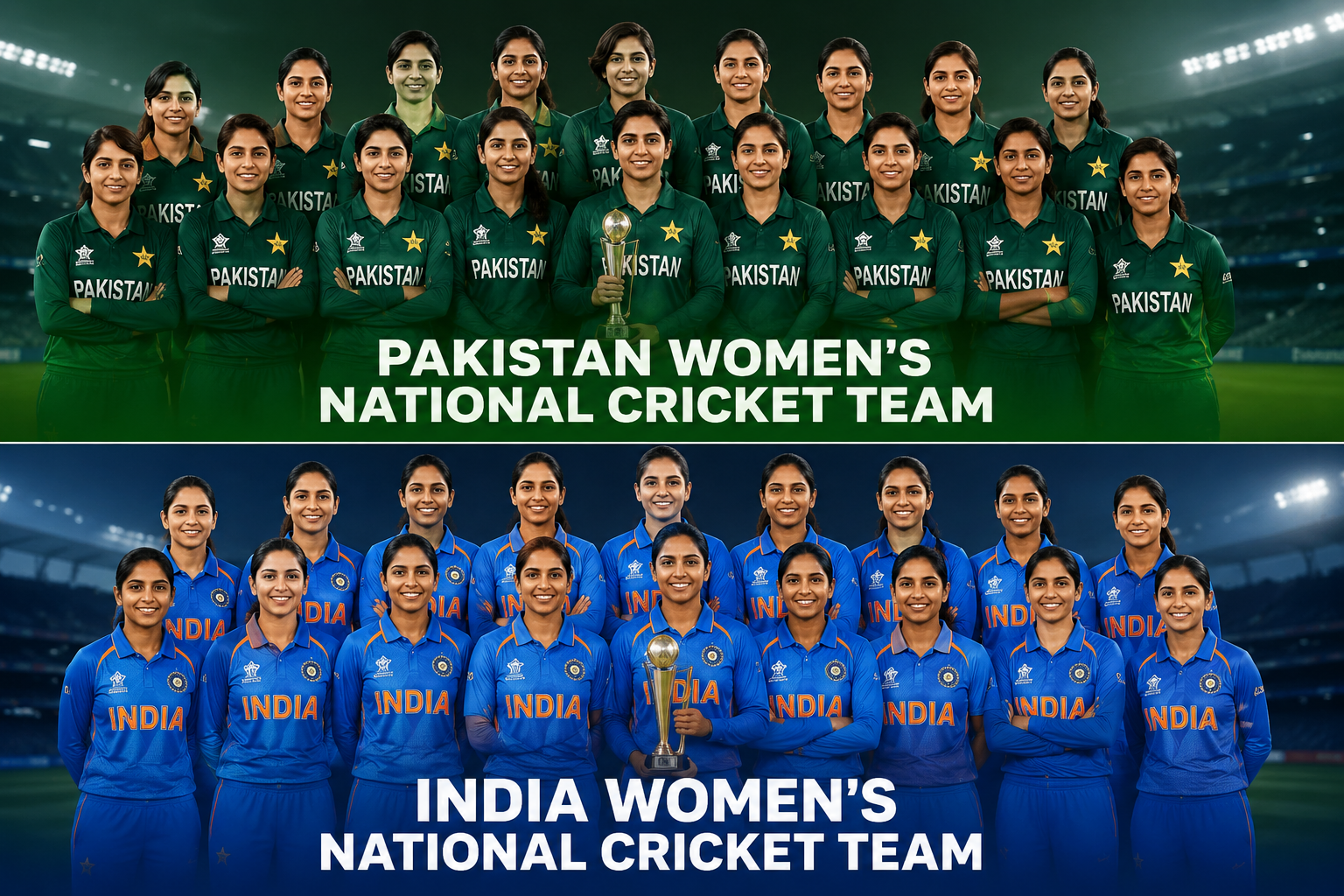
Table of Contents
The rivalry between India Women and Pakistan Women has become one of the most exciting stories in modern women’s cricket. Every match between these two teams carries emotion, pressure, and massive fan attention across the cricket world. From low scoring thrillers in the Asia Cup to high pressure clashes in ICC tournaments, these contests have produced unforgettable scorecards and memorable performances. Indian players have often relied on strong batting depth and spin attack, while Pakistan has fought back through disciplined bowling and fearless captaincy. Over the years, this rivalry has grown beyond statistics and transformed into a battle of pride, strategy, and mental strength on the international stage.
Recent Matches
| Team | Opponent | Result | Margin | Date | Venue | Format |
|---|---|---|---|---|---|---|
| India | Pakistan | Won | 64 runs | 14 June 2026 | Birmingham | T20I |
| India | West Indies | Won | 7 wickets | 11 June 2026 | Birmingham | T20I |
| India | South Africa | Lost | 12 runs | 07 June 2026 | London | T20I |
| Pakistan | West Indies | Lost | 4 wickets | 08 June 2026 | Manchester | T20I |
| Pakistan | South Africa | Won | 5 wickets | 04 June 2026 | Bristol | T20I |
| India | England | Won | 5 wickets | 24 May 2026 | Northampton | T20I |
| Pakistan | England | Lost | 8 wickets | 22 May 2026 | Chelmsford | T20I |
Team Statistics Summary
| Team | Matches | Won | Lost | Tied | No Result | Win Percentage |
|---|---|---|---|---|---|---|
| India | 24 | 18 | 5 | 0 | 1 | 75.00 |
| Australia | 22 | 16 | 6 | 0 | 0 | 72.72 |
| England | 25 | 17 | 8 | 0 | 0 | 68.00 |
| New Zealand | 20 | 11 | 9 | 0 | 0 | 55.00 |
| South Africa | 23 | 11 | 11 | 0 | 1 | 47.82 |
| West Indies | 21 | 9 | 12 | 0 | 0 | 42.85 |
| Pakistan | 26 | 8 | 17 | 0 | 1 | 30.76 |
Individual Batting Records
| Player | Team | Matches | Innings | Runs | Highest Score | Average |
|---|---|---|---|---|---|---|
| Smriti Mandhana | India | 145 | 139 | 3568 | 86 | 28.77 |
| Harmanpreet Kaur | India | 173 | 154 | 3494 | 103 | 28.18 |
| Shafali Verma | India | 84 | 84 | 1992 | 89 | 24.59 |
| Jemimah Rodrigues | India | 104 | 93 | 2144 | 76 | 29.77 |
| Aliya Riaz | Pakistan | 94 | 84 | 1132 | 57 | 17.68 |
| Muneeba Ali | Pakistan | 65 | 62 | 1095 | 102 | 18.87 |
| Nida Dar | Pakistan | 153 | 141 | 1968 | 75 | 18.92 |
Individual Bowling Records
| Player | Team | Matches | Overs | Wickets | Best Bowling | Economy |
|---|---|---|---|---|---|---|
| Deepti Sharma | India | 119 | 438.2 | 136 | 5 for 10 | 5.98 |
| Radha Yadav | India | 75 | 264.1 | 92 | 4 for 23 | 6.54 |
| Rajeshwari Gayakwad | India | 57 | 205.4 | 61 | 3 for 9 | 6.21 |
| Nashra Sandhu | Pakistan | 64 | 234.5 | 68 | 4 for 26 | 5.91 |
| Sadia Iqbal | Pakistan | 41 | 151.0 | 52 | 4 for 16 | 5.73 |
| Fatima Sana | Pakistan | 48 | 146.2 | 44 | 3 for 18 | 7.12 |
| Pooja Vastrakar | India | 63 | 182.1 | 54 | 4 for 13 | 7.04 |
When Cricket Became More Than Just a Game
The rivalry between the women’s teams of India and Pakistan slowly transformed into one of the most emotional contests in Asian cricket. In the early years, women’s cricket did not receive the same spotlight as men’s cricket, yet every meeting between these two sides carried pressure and expectation. Players walked into the stadium knowing millions of fans were emotionally attached to the result. Indian players often entered matches with stronger domestic experience and a more balanced batting lineup, while Pakistan relied heavily on disciplined bowling and defensive tactics. Over time, the rivalry became more competitive as younger players from both countries developed confidence under pressure. The atmosphere around these matches changed completely during ICC tournaments and Asia Cup encounters. Every boundary created noise in the crowd, and every wicket shifted momentum dramatically. Captains had to manage emotions carefully because even one tactical mistake could decide the result. The rivalry also inspired a new generation of women cricketers across South Asia and proved that women’s cricket could create the same excitement, tension, and unforgettable sporting drama as any major international contest.
| Year | Tournament | Winning Side | Margin | Venue |
| 2005 | Women’s World Cup | India Women | 110 Runs | Pretoria |
| 2006 | Asia Cup | India Women | 8 Wickets | Jaipur |
| 2009 | Women’s World Cup | India Women | 6 Wickets | Sydney |
| 2012 | Asia Cup | India Women | 81 Runs | Guangzhou |
| 2014 | Asia Cup | India Women | 9 Runs | Sri Lanka |
The First Official Clash That Sparked Attention
The first major encounters between these two teams carried curiosity and nervous energy because women’s cricket was still searching for recognition in the international arena. India entered those matches with experienced batters who understood how to build innings patiently, while Pakistan focused on slowing the scoring rate through tight bowling lines and sharp field placements. The early scorecards showed a clear difference in batting depth, but they also revealed Pakistan’s fighting spirit in difficult situations. Fans quickly noticed the emotional intensity between the sides, especially during close run chases and pressure-filled middle overs. Every wicket celebration looked fierce, and every partnership felt important. The matches were often low scoring because both teams depended heavily on spin bowling and careful batting rather than aggressive stroke play. Despite limited media coverage at that time, these contests slowly built a dedicated audience. Former players from both nations later described those early meetings as the foundation of a rivalry that would eventually become one of the biggest attractions in women’s cricket across the world.
| Match | Top Scorer | Best Bowler | Result | Format |
| India vs Pakistan 2005 | Mithali Raj | Neetu David | India Won | ODI |
| India vs Pakistan 2006 | Jaya Sharma | Jhulan Goswami | India Won | ODI |
| India vs Pakistan 2008 | Sana Mir | Amita Sharma | India Won | Asia Cup |
| India vs Pakistan 2009 | Punam Raut | Priyanka Roy | India Won | ODI |
| India vs Pakistan 2010 | Bismah Maroof | Rumeli Dhar | India Won | T20I |
Slow Beginnings but Growing Fire Between the Teams
Although India controlled many of the early contests, Pakistan gradually improved its structure and began challenging stronger teams with greater belief. The team invested more in bowling strength and fielding discipline, making matches tighter and more competitive. India still possessed more experienced batters, but Pakistan started producing players who could handle pressure moments with maturity. Rivalry intensity increased significantly during Asia Cup tournaments because both sides understood the emotional value of victory. Bowlers attacked aggressively in the powerplay, and captains preferred defensive fields once wickets started falling. Many matches turned into tactical battles where even a small partnership became match defining. Supporters from both nations followed every game passionately through television broadcasts and social media discussions. Players also became more expressive on the field, showing visible aggression after wickets or key breakthroughs. The rivalry no longer felt one sided because Pakistan had begun closing the performance gap through smarter planning and fearless cricket. Those seasons created the emotional foundation that later produced some of the most memorable women’s matches in Asian cricket history.
| Season | India Wins | Pakistan Wins | Closest Margin | Leading Run Scorer | Leading Wicket Taker |
| 2005-2008 | 6 | 0 | 4 Wickets | Mithali Raj | Jhulan Goswami |
| 2009-2012 | 5 | 0 | 2 Runs | Bismah Maroof | Sana Mir |
| 2013-2016 | 4 | 1 | 5 Runs | Harmanpreet Kaur | Anisa Mohammed |
| 2017-2020 | 3 | 1 | 7 Wickets | Smriti Mandhana | Poonam Yadav |
| 2021-2024 | 4 | 0 | 6 Wickets | Jemimah Rodrigues | Nida Dar |
Asia Cup Nights and Pressure Filled Battles
Asia Cup encounters between the two sides often produced the most dramatic moments because the conditions favored spin bowling and low scoring pressure cricket. Batters rarely played freely during these matches because every dot ball increased tension inside the stadium. Indian bowlers generally relied on control and variation, while Pakistan focused on building pressure through disciplined fielding and slower scoring rates. Several contests were decided in the final overs, where calm decision making became more important than power hitting. Captains frequently changed bowling combinations to break partnerships and force mistakes from opposition batters. Fans treated these matches like finals regardless of tournament stage because national pride always dominated the atmosphere. The emotional pressure was visible on players’ faces during close finishes and run chases. Some matches featured batting collapses caused entirely by pressure rather than difficult pitch conditions. These Asia Cup battles also helped many young cricketers gain confidence on the international stage. The tournament became one of the strongest symbols of the growing intensity and popularity of women’s cricket in South Asia.
| Asia Cup Year | Venue | Player of Match | Match Result | Winning Margin |
| 2012 | Guangzhou | Harmanpreet Kaur | India Won | 81 Runs |
| 2014 | Colombo | Sana Mir | India Won | 9 Runs |
| 2016 | Bangkok | Mithali Raj | India Won | 5 Wickets |
| 2018 | Kuala Lumpur | Smriti Mandhana | India Won | 7 Wickets |
| 2022 | Sylhet | Nida Dar | Pakistan Won | 13 Runs |
World Cup Matches That Changed the Rivalry Narrative
World Cup meetings added another layer of pressure because the global audience closely followed every ball between these neighboring teams. Players understood that strong performances on this stage could define careers and shape public reputation forever. India often entered tournaments with stronger rankings and greater expectations, while Pakistan embraced the underdog role with determination. Some of the most memorable scorecards came during ICC events where batting partnerships completely shifted momentum. Indian middle-order batters regularly played responsible innings under pressure, while Pakistan depended heavily on bowling breakthroughs to stay competitive. Fielding mistakes, dropped catches, and nervous run outs became turning points in several important matches. Fans celebrated victories passionately because World Cup success carried emotional significance beyond cricket itself. Media coverage around these games also increased dramatically, bringing more visibility to women’s cricket globally. The rivalry matured during these tournaments because both teams learned how to handle pressure on the biggest stage. These clashes eventually proved that women’s cricket could deliver world-class drama, tactical depth, and unforgettable sporting emotion.
| World Cup Year | Format | Winning Team | Top Performer | Match Venue |
| 2009 | ODI | India Women | Punam Raut | Sydney |
| 2013 | ODI | India Women | Mithali Raj | Cuttack |
| 2016 | T20 World Cup | India Women | Harmanpreet Kaur | Delhi |
| 2022 | ODI | India Women | Sneh Rana | Mount Maunganui |
| 2024 | T20 World Cup | India Women | Jemimah Rodrigues | Dubai |
Mithali Raj, Sana Mir and the Faces of the Rivalry
Certain players became permanent symbols of this rivalry because of their performances under pressure and their ability to inspire teammates during difficult moments. Mithali Raj brought calmness and technical excellence to India’s batting order, often controlling matches through intelligent strike rotation and patient innings building. Sana Mir represented Pakistan’s fighting spirit with disciplined captaincy and accurate spin bowling. Harmanpreet Kaur later changed the attacking mindset of Indian batting through fearless stroke play in pressure situations. Pakistan also produced strong performers like Bismah Maroof and Nida Dar, who carried responsibility during tense run chases and difficult bowling spells. These players shaped the emotional identity of the rivalry because fans connected deeply with their performances. Their body language, leadership decisions, and reactions after victories became iconic moments for supporters. Many young cricketers from both countries started following women’s cricket because of these stars. The rivalry evolved through their personalities, tactical intelligence, and ability to handle extreme pressure. Their contributions transformed ordinary matches into unforgettable sporting stories remembered by cricket fans for years.
| Player | Team | Runs in Rivalry | Wickets | Major Impact |
| Mithali Raj | India Women | 700+ | 0 | Match Winning Innings |
| Harmanpreet Kaur | India Women | 500+ | 5 | Aggressive Batting |
| Sana Mir | Pakistan Women | 300+ | 20+ | Captaincy and Spin |
| Bismah Maroof | Pakistan Women | 450+ | 2 | Middle Order Stability |
| Nida Dar | Pakistan Women | 350+ | 15+ | All Round Performance |
Bowling Duels and Tactical Mind Games
The rivalry has often been controlled by bowlers rather than explosive batting because pitches in Asian conditions usually favor spin and disciplined line bowling. Indian teams traditionally depended on slow bowlers who could build pressure through dot balls and clever variations, while Pakistan relied on accuracy and defensive field settings to create mistakes. Captains constantly adjusted tactics depending on match situation, especially during middle overs where momentum could change quickly. Bowling partnerships frequently decided results more than batting partnerships. Several famous matches featured collapses triggered by pressure created over long spells rather than one magical delivery. Batters had to remain patient because reckless shots often led to sudden wickets. Tactical decisions such as bowling changes, field placement near the boundary, and powerplay management became major talking points after matches. Fans appreciated the mental battle as much as the score itself because these contests demanded patience and discipline from both teams. Over time, the rivalry developed into a contest where strategy, composure, and decision making became just as important as natural cricketing talent.
| Tactical Area | India Strength | Pakistan Strength | Match Influence | Key Factor |
| Spin Bowling | Strong | Strong | High | Middle Overs |
| Batting Depth | Better | Improving | Match Winning | Partnerships |
| Fielding | Athletic | Disciplined | Pressure Building | Run Saving |
| Captaincy | Aggressive | Defensive | Tactical Battle | Bowling Rotation |
| Death Overs | Controlled | Risky | Final Result | Nerve Handling |
Conclusion
India Women versus Pakistan Women matches continue to represent passion, pressure, and competitive cricket at the highest level. The rivalry has evolved from one sided contests into closely fought battles filled with tactical brilliance and emotional moments. Legendary players like Mithali Raj, Harmanpreet Kaur, Sana Mir, and Nida Dar helped shape unforgettable chapters in this sporting journey. Fans from both countries eagerly wait for every encounter because these matches always create drama and excitement. As women’s cricket continues to grow globally, this rivalry is expected to become even bigger in the coming years, inspiring future cricketers and delivering many more iconic scorecards and historic moments.
FAQ
Which team has won more matches in this rivalry?
India Women have historically won more matches against Pakistan Women in both ODI and T20 formats.
Which tournament produced the most famous clashes between the two teams?
Asia Cup and ICC Women’s World Cup tournaments have delivered the most memorable and high pressure encounters.
Who is considered the most influential batter in this rivalry?
Mithali Raj is widely regarded as one of the most influential batters because of her consistency and match winning innings.
Which Pakistan player made the biggest impact in important matches?
Sana Mir and Nida Dar played major roles with their leadership, bowling control, and all round performances.
Why is this rivalry important in women’s cricket?
The rivalry attracts huge fan interest, emotional support from both nations, and helps increase the popularity of women’s cricket globally.
| Read Also: India Women’s National Cricket Team Vs South Africa Women’s National Cricket Team Match Scorecard |




Post Comment