Sri Lanka Women Vs India Women’s National Cricket Team Match Scorecard
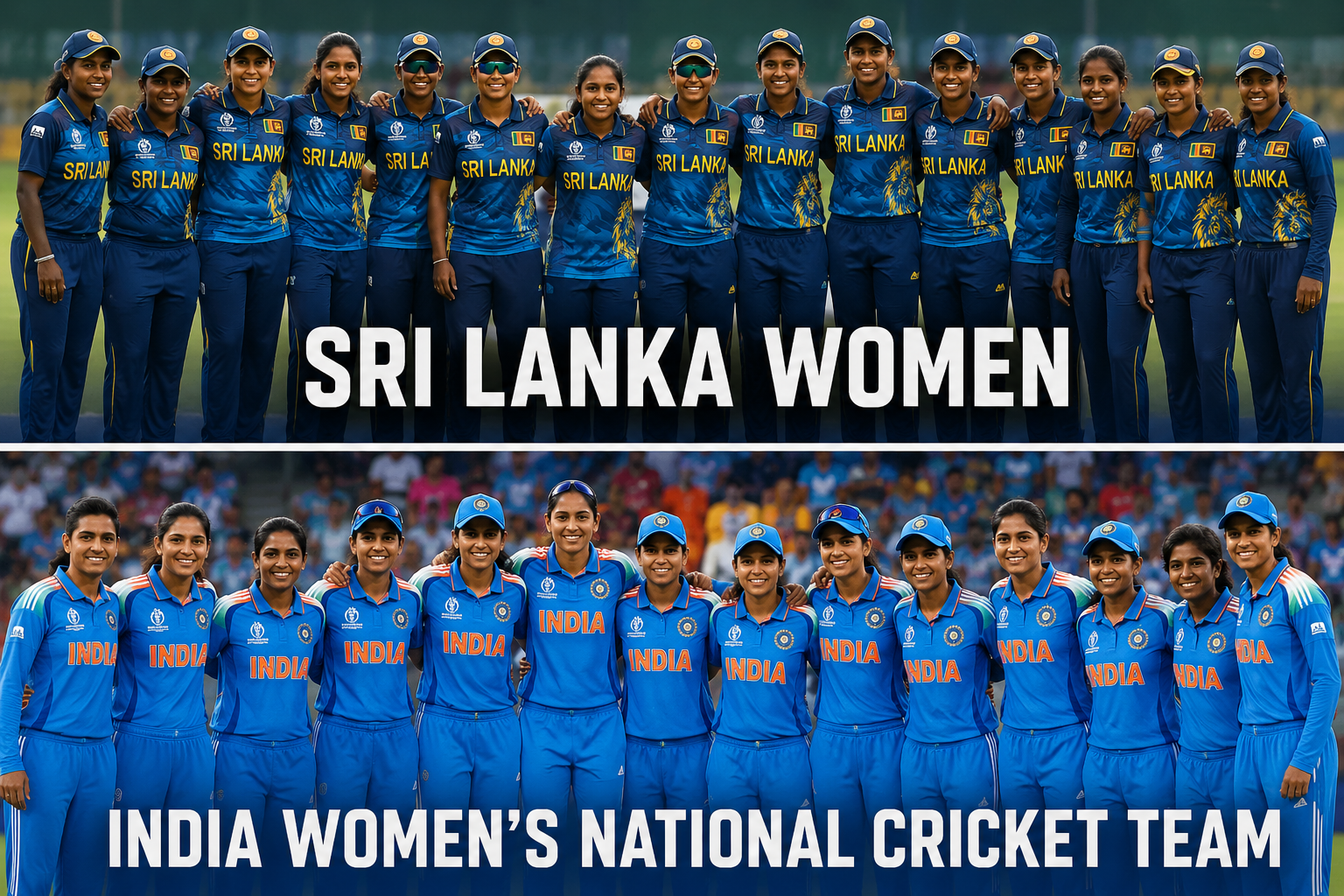
Table of Contents
Sri Lanka Women Vs India Women’s National Cricket Team Match Scorecard has become a popular topic among cricket fans who follow women’s cricket closely. The encounters between these two South Asian teams have produced memorable performances, exciting finishes, and significant milestones over the years. From early one-sided contests to highly competitive battles, both sides have contributed to the growth of women’s cricket in the region. Star players, tactical battles, and pressure-filled moments have shaped this rivalry and kept supporters engaged. Every match scorecard tells a unique story of determination, skill, and teamwork, making this rivalry an important chapter in international women’s cricket history.
Recent Matches Table
| Match [1] | Date | Winner | Format | Venue | Margin | Score |
|---|---|---|---|---|---|---|
| 5th T20I | 30 Dec 2025 | India | T20I | Thiruvananthapuram | India won by 15 runs | IND 175/7, SL 160/7 |
| 4th T20I | 28 Dec 2025 | India | T20I | Thiruvananthapuram | India won by 30 runs | IND 221/2, SL 191/6 |
| 3rd T20I | 26 Dec 2025 | India | T20I | Thiruvananthapuram | India won by 8 wickets | SL 112/7, IND 115/2 |
| 2nd T20I | 23 Dec 2025 | India | T20I | Visakhapatnam | India won by 7 wickets | SL 128/9, IND 129/3 |
| 1st T20I | 21 Dec 2025 | India | T20I | Visakhapatnam | India won by 8 wickets | SL 121/6, IND 122/2 |
| Group Match | 30 Sep 2025 | India | ODI | Guwahati | India won by 59 runs | IND 269/8, SL 211/10 |
Team Statistics Summary Table
| Team | Total Matches | Won | Lost | Tied | No Result | Win Percentage |
|---|---|---|---|---|---|---|
| India Women | 26 | 22 | 4 | 0 | 0 | 84.61% |
| Sri Lanka Women | 26 | 4 | 22 | 0 | 0 | 15.38% |
| Series Head-to-Head | 26 | 22 | 4 | 0 | 0 | 84.61% |
| Bilateral T20Is (2025) | 5 | 5 | 0 | 0 | 0 | 100.00% |
| ODI World Cup (2025) | 1 | 1 | 0 | 0 | 0 | 100.00% |
| Asia Cup (2024) | 1 | 0 | 1 | 0 | 0 | 0.00% |
Individual Batting Records Table
| Player | Team | Innings | Runs | Highest Score | Average | Strike Rate |
|---|---|---|---|---|---|---|
| Shafali Verma | India | 5 | 241 | 79 | 48.20 | 138.50 |
| Hasini Perera | Sri Lanka | 5 | 165 | 65 | 33.00 | 122.22 |
| Harmanpreet Kaur | India | 5 | 130 | 68 | 32.50 | 131.31 |
| Smriti Mandhana | India | 4 | 120 | 80 | 30.00 | 128.57 |
| Imesha Dulani | Sri Lanka | 5 | 105 | 50 | 21.00 | 114.13 |
| Chamari Athapaththu | Sri Lanka | 5 | 92 | 45 | 18.40 | 108.23 |
Individual Bowling Records Table
| Bowler | Team | Overs | Maidens | Runs Allowed | Wickets | Economy |
|---|---|---|---|---|---|---|
| Shree Charani | India | 16 | 1 | 118 | 5 | 7.37 |
| Deepti Sharma | India | 18 | 0 | 122 | 5 | 6.77 |
| Kavisha Dilhari | Sri Lanka | 12 | 0 | 88 | 5 | 7.33 |
| Vaishnavi Sharma | India | 14 | 0 | 111 | 5 | 7.92 |
| Chamari Athapaththu | Sri Lanka | 11 | 0 | 82 | 4 | 7.45 |
| Renuka Singh | India | 12 | 1 | 79 | 4 | 6.58 |
When Two Neighbours Met on the International Stage
Women’s cricket in South Asia has experienced remarkable growth over the past two decades. Two neighboring nations have played an important role in this development by regularly competing against each other in bilateral series and international tournaments. Early meetings were often dominated by the more experienced side, but each encounter helped strengthen the competitive spirit between the teams. Fans from both countries closely followed these matches because they represented more than just cricket. They showcased regional pride, emerging talent, and the progress of women’s sports. The contests also provided younger players with opportunities to learn from international competition and improve their skills. As both teams continued to evolve, their matches became more closely contested and attracted wider attention. Administrators, coaches, and supporters recognized the value of these fixtures in raising the standard of women’s cricket across the region. The rivalry gradually transformed into a meaningful sporting relationship built on respect, ambition, and determination. Every match added another chapter to a journey that contributed significantly to the popularity and visibility of the women’s game.
| Aspect | Team A | Team B | Impact |
| Experience | High | Developing | Competitive growth |
| Fan Support | Strong | Growing | Better visibility |
| ICC Events | Frequent | Frequent | More exposure |
| Youth Talent | Expanding | Expanding | Future strength |
| Rivalry Value | Significant | Significant | Regional interest |
The First Battles That Set the Tone
The earliest encounters established the competitive framework that would influence future meetings. While results often favored the stronger side, the contests revealed the determination and resilience of emerging players seeking to challenge established opponents. Batters focused on building partnerships while bowlers concentrated on maintaining disciplined lines and lengths. Coaches viewed these matches as opportunities to evaluate talent and identify areas requiring improvement. Supporters appreciated the effort displayed by both teams, even when score margins appeared one sided. Several players delivered promising performances that hinted at future success on the international stage. These early battles also highlighted differences in tactical awareness, match preparation, and execution under pressure. Over time, lessons learned from defeats became valuable stepping stones for improvement. Each match increased confidence and helped players gain experience against quality opposition. The rivalry’s foundation was built during these formative years, creating anticipation for future contests. The spirit of competition remained strong, and every encounter contributed to the gradual development of a more balanced and engaging cricketing relationship.
| Category | Observation | Result | Importance |
| Batting | Steady starts | Useful totals | Stability |
| Bowling | Disciplined spells | Key wickets | Control |
| Fielding | Mixed standards | Missed chances | Learning |
| Leadership | Tactical focus | Better decisions | Growth |
| Competition | Improving | Closer games | Rivalry building |
Building a Competitive Rivalry Through ICC Events
Major international tournaments provided a larger stage and significantly increased the intensity of encounters. Matches carried greater pressure because advancement in prestigious competitions often depended on strong performances. Players understood that success in global events could enhance their reputation and inspire future generations. Captains carefully planned strategies, balancing aggression with caution depending on match situations. Batters aimed to handle pressure while bowlers focused on restricting scoring opportunities during crucial phases. The atmosphere surrounding these contests became more vibrant as fans followed every delivery and celebrated important moments. Tournament cricket also introduced unique challenges such as unfamiliar conditions, travel schedules, and stronger opposition. Teams that adapted quickly often gained an advantage. Several memorable performances emerged from these events, creating lasting memories for supporters. Competitive matches in major tournaments helped elevate the rivalry and demonstrated how much both teams had progressed. These encounters became important milestones in the development of women’s cricket and strengthened interest among audiences across South Asia and beyond.
| Tournament Factor | Effect | Team Response | Outcome |
| Pressure | Increased | Tactical planning | Better execution |
| Conditions | Variable | Adaptation | Competitive matches |
| Fan Interest | High | Motivation | Wider reach |
| Rankings | Important | Strong effort | Improved standing |
| Exposure | Global | Confidence gain | Growth |
Battles of Captains and Star Players
Leadership and individual brilliance often shaped the outcome of important contests. Captains played a critical role in setting field placements, managing bowling resources, and making strategic decisions during tense situations. Star performers frequently carried expectations from supporters who hoped they could deliver match winning contributions. Batters were expected to anchor innings while all rounders provided balance through multiple skills. Bowlers sought breakthroughs that could change momentum and influence results. These contests frequently featured impressive displays of talent, determination, and composure under pressure. Experienced players became role models for younger teammates and inspired confidence through their performances. Supporters closely followed individual battles because they added excitement and drama to the rivalry. Memorable innings, crucial wickets, and athletic fielding efforts often became defining moments in important matches. The influence of key players extended beyond statistics, as their leadership and commitment helped shape team culture and competitive standards. Their contributions remain an important part of the rivalry’s ongoing story.
| Role | Contribution | Match Impact | Value |
| Captain | Leadership | Tactical advantage | High |
| Batter | Run scoring | Momentum | Crucial |
| Bowler | Wickets | Pressure creation | Vital |
| All Rounder | Balance | Flexibility | Significant |
| Fielder | Saves runs | Turning moments | Important |
Matches That Changed the Rivalry Narrative
Certain contests altered perceptions and demonstrated how quickly momentum can shift in sport. Unexpected victories, dramatic finishes, and outstanding individual performances created unforgettable memories for players and supporters alike. These matches often featured fluctuating fortunes where one team appeared dominant before the other launched a remarkable comeback. Tactical decisions became increasingly important as coaches searched for innovative ways to gain an advantage. Supporters experienced a range of emotions, from excitement and hope to tension and celebration. Such matches highlighted the unpredictable nature of cricket and reinforced the belief that no outcome is guaranteed until the final ball. Young players gained confidence by performing under pressure, while experienced campaigners relied on their composure to guide teammates through challenging situations. Media coverage increased as dramatic contests attracted broader audiences and generated discussion among cricket followers. These memorable encounters enhanced the rivalry’s reputation and demonstrated the growing competitiveness between the teams. Their impact continues to influence expectations whenever the sides meet on the field.
| Match Element | Scenario | Influence | Legacy |
| Close Finish | High tension | Fan excitement | Memorable |
| Comeback | Momentum shift | Confidence boost | Historic |
| Big Partnership | Recovery | Match control | Important |
| Bowling Spell | Breakthroughs | Result impact | Lasting |
| Leadership Call | Smart decision | Winning edge | Significant |
The Rise of a Fearless New Generation
A new wave of talented players brought fresh energy and confidence to the rivalry. Improved coaching structures, greater exposure to international cricket, and increasing investment in women’s sports helped accelerate development. Younger athletes entered the international arena with strong technical skills and a fearless approach. They embraced challenges and displayed a willingness to compete aggressively against established opponents. Batting lineups became deeper, bowling attacks more versatile, and fielding standards noticeably stronger. Teams also benefited from advancements in fitness and performance analysis, allowing players to prepare more effectively for high pressure situations. Fans welcomed the emergence of new stars who could influence matches and create excitement through their performances. This generation viewed competition as an opportunity rather than an obstacle, contributing to more balanced contests. Their confidence helped reduce performance gaps and encouraged greater belief within their squads. As these players continued to mature, they strengthened the rivalry and ensured that future encounters would remain highly competitive and entertaining.
| Development Area | Improvement | Benefit | Result |
| Fitness | Higher standards | Better endurance | Consistency |
| Batting | Greater depth | More runs | Stability |
| Bowling | Variety | Better control | Wickets |
| Fielding | Sharper skills | Run saving | Advantage |
| Confidence | Strong mindset | Better performances | Growth |
What the Rivalry Means for Women’s Cricket in South Asia
The importance of this rivalry extends beyond results and statistics. It has contributed significantly to the development and visibility of women’s cricket throughout South Asia. Regular competition encourages teams to improve standards and motivates young athletes to pursue the sport professionally. The matches have inspired countless aspiring cricketers who see opportunities to represent their countries on the international stage. Growing media coverage and increased fan engagement have also helped attract sponsors and investment. Administrators recognize that competitive rivalries play a vital role in sustaining interest and driving long term growth. The success of women’s cricket depends on strong pathways, quality coaching, and regular international exposure, all of which are supported by meaningful competition. Supporters continue to celebrate achievements while encouraging future progress. The rivalry represents ambition, perseverance, and sporting excellence. As women’s cricket continues to evolve, these encounters will remain important milestones that influence future generations and strengthen the game’s presence across the region. The legacy created today will shape tomorrow’s stars.
| Area | Contribution | Effect | Future Impact |
| Youth Inspiration | High | More participation | Talent growth |
| Fan Engagement | Expanding | Wider audience | Sustainability |
| Media Coverage | Increasing | Visibility | Recognition |
| Competition | Stronger | Better standards | Development |
| Legacy | Lasting | Regional influence | Bright future |
Conclusion
Sri Lanka Women Vs India Women’s National Cricket Team Match Scorecard reflects the evolution of a rivalry that has grown stronger with every meeting. Both teams have experienced periods of success while producing talented players who have inspired future generations. Competitive matches, memorable partnerships, and outstanding bowling performances have helped elevate the profile of women’s cricket across South Asia. As new players continue to emerge and standards keep improving, future contests are expected to be even more exciting. This rivalry remains a symbol of sporting excellence, regional pride, and the continued development of women’s cricket on the international stage.
FAQ
Q1. When did Sri Lanka Women and India Women first play against each other?
They first met in international women’s cricket during the early years of organized ICC competitions, beginning a long-standing regional rivalry.
Q2. Which team has won more matches in this rivalry?
India Women have historically recorded more victories, although Sri Lanka Women have achieved several memorable wins in recent years.
Q3. Who are some famous players from this rivalry?
Mithali Raj, Harmanpreet Kaur, Jhulan Goswami, Chamari Athapaththu, and Deepti Sharma are among the most influential players.
Q4. Why is this rivalry important in women’s cricket?
It has helped promote women’s cricket in South Asia and provided valuable international experience for players from both nations.
Q5. Where can fans find the latest match scorecard?
Fans can follow official cricket boards, ICC platforms, and major sports websites for updated scorecards, statistics, and match reports.









Post Comment