Sri Lanka Women vs New Zealand Women’s National Cricket Team Match Scorecard
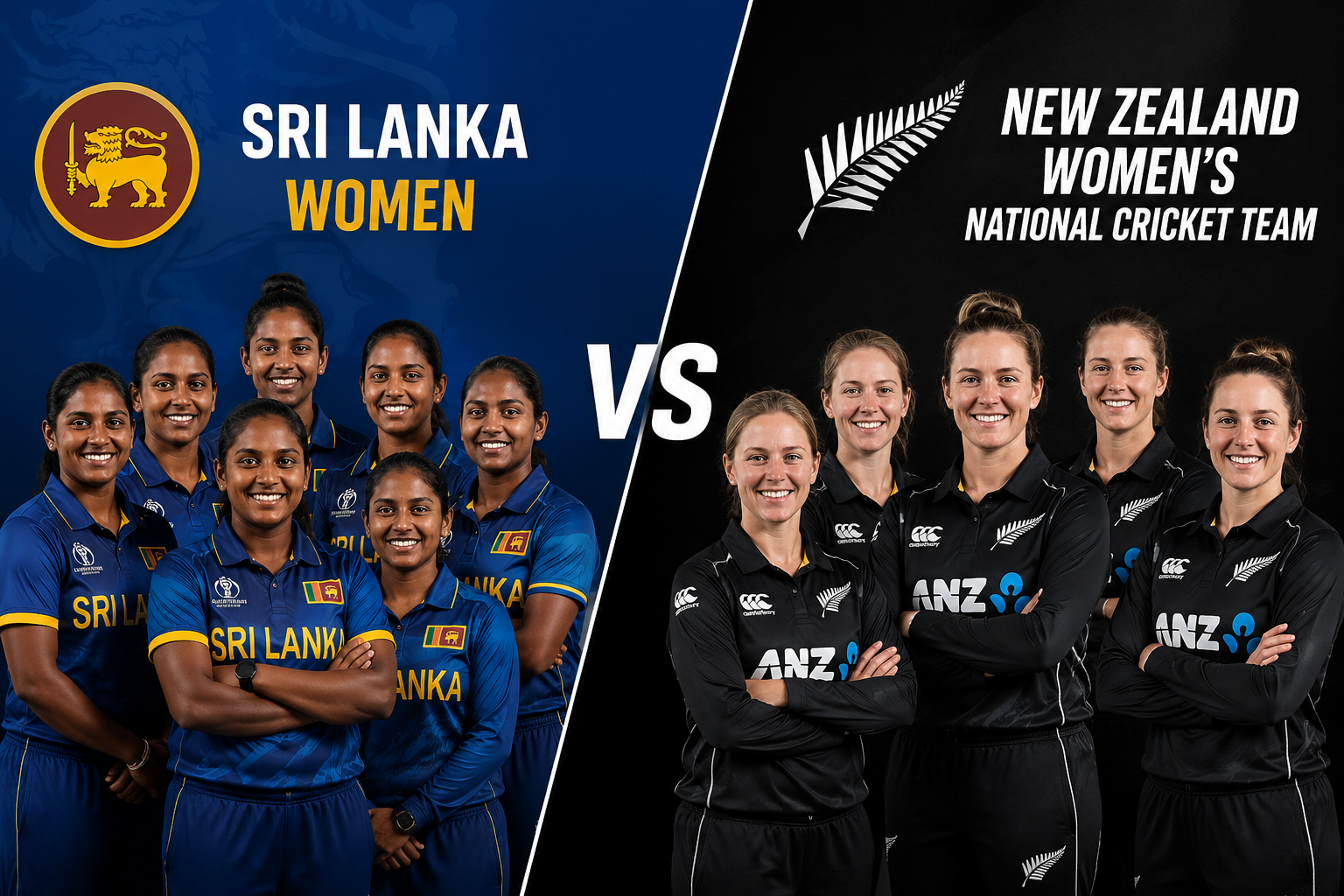
Table of Contents
The rivalry between Sri Lanka Women and New Zealand Women has produced many memorable moments across international cricket. While New Zealand entered most contests with greater experience and a stronger record, Sri Lanka gradually emerged as a competitive force capable of challenging established teams. Their meetings have featured impressive batting performances, disciplined bowling spells, tactical battles, and several dramatic finishes. Over the years, both sides have used these encounters to test their strengths and develop future stars. From World Cup clashes to bilateral series contests, each match has added another chapter to an evolving cricket story that reflects the growth and increasing competitiveness of women’s cricket worldwide.
Recent Matches Table
| Team Identity | Opponent Team | Match Venue | Game Format | Match Result | Form Indicator | Tournament Event |
| Sri Lanka W | New Zealand W | Southampton | Women’s T20I | Won by 5 Wkts | W (Recent Form) | T20 World Cup |
| New Zealand W | Sri Lanka W | Southampton | Women’s T20I | Lost by 5 Wkts | L (Recent Form) | T20 World Cup |
| New Zealand W | West Indies W | Southampton | Women’s T20I | Lost by 7 Wkts | L (Consecutive) | T20 World Cup |
| Sri Lanka W | England Women | Birmingham | Women’s T20I | Lost by 7 Wkts | L (Prior Game) | T20 World Cup |
| New Zealand W | England Women | London (Lord’s) | Women’s T20I | Lost by 7 Wkts | L (Tour Form) | Bilateral Series |
| New Zealand W | England Women | Northampton | Women’s T20I | Won by 14 Runs | W (Tour Bounce) | Bilateral Series |
| New Zealand W | England Women | Hove | Women’s T20I | Lost by 7 Wkts | L (Series Opener) | Bilateral Series |
Match Result and Player of the Match Table
| Metric Category | Sri Lanka Team Data | New Zealand Team Data | Match Outcome | Primary Awardee | Award Reason | Venue Location |
| Final Runs | 153 | 150 | SL W Won | Nilakshika Silva | Match-winning 54* | Southampton |
| Wickets Lost | 5 | 6 | 5-Wicket Win | Nilakshika Silva | Unbeaten Half-Cent. | The Rose Bowl |
| Overs Played | 19.4 | 20.0 | 2 Balls Left | Nilakshika Silva | Restructured Chase | Hampshire Bowl |
| Total Fours | 17 | 15 | Aggressive Batting | Nilakshika Silva | Under-Pressure 5×4 | Slow Outfield |
| Total Sixes | 2 | 1 | Power Hitting | Nilakshika Silva | Critical 1×6 Cleared | Decent Boundary |
| Extras Given | 7 | 4 | Disciplined Bowling | Nilakshika Silva | Capitalised Errors | Standard Conditions |
| Run Rate | 7.78 | 7.50 | Fast Finish | Nilakshika Silva | SR of 145.95 | Balanced Pitch |
Match Overview Table
| Operational Item | Match Attribute | Tournament Details | Phase/Group | Toss Choice | Pitch Surface | Weather State |
| Match Identity | Match 7 | T20 World Cup | Group 2 | NZ Won Toss | Slow Deck | 18°C Clear |
| Umpire Panel | Match Officials | ICC Neutral Panel | Elite Umpires | Chose to Bat | Good for Batting | Low Humidity |
| Match Format | Women’s T20I | International Cup | Group Stage | New Zealand Elected | True Bounce | No Rain Delay |
| Ball Brand | Kookaburra | White Turf Ball | Standard Spec | New Ball Swing | Minimal Turn Early | Great Visibility |
| Powerplay Caps | Overs 0.1 to 6.0 | 2 Mandatory Fields | Restriction Phase | SL Kept it Tight | Good Powerplay | Sunset Game |
| Drinks Break | Over 5.5 (SL) | Strategic Intervals | Mid-Innings Pause | Tactical Rebuild | Settled Surface | Cool Evening |
| Match Date | June 16, 2026 | 2026 Edition | Major Fixture | Batting Paradise | Dry Grass Match | Breezy Conditions |
Statistical Comparison Table
| Performance Area | Sri Lanka Women | New Zealand Women | Net Difference | Top Performer | Phase Winner | Critical Impact |
| Powerplay Runs | 45 Runs | 41 Runs | +4 Sri Lanka | Chamari Athapaththu | Sri Lanka Women | Quick Starts |
| Middle Overs | 62 Runs | 73 Runs | +11 New Zealand | Sophie Devine | New Zealand Women | Solid Consolidation |
| Death Overs | 46 Runs | 36 Runs | +10 Sri Lanka | Kaushini Nuthyangana | Sri Lanka Women | Match-Winning |
| Dot Balls Faced | 44 Dots | 48 Dots | -4 (Fewer is Best) | Amelia Kerr | Sri Lanka Women | Constant Rotation |
| Boundary Runs | 80 Runs | 66 Runs | +14 Sri Lanka | Nilakshika Silva | Sri Lanka Women | Boundary Tally |
| Singles/Doubles | 66 Runs | 77 Runs | +11 New Zealand | Amelia Kerr | New Zealand Women | Hard Running |
| Catching/Field | 1 Dropped | 3 Dropped | -2 Errors (SL Better) | Inside Circle Field | Sri Lanka Women | NZ Costly Drops |
Best Bowling Figures Table
| Bowler Name | Team Identity | Overs Bowled | Maidens Delivered | Runs Conceded | Wickets Taken | Economy Rate |
| Nensi Patel | New Zealand | 4.0 | 0 | 23 | 2 | 5.75 |
| Mithali Bandara | Sri Lanka | 4.0 | 0 | 24 | 1 | 6.00 |
| Nimasha Meepage | Sri Lanka | 4.0 | 0 | 26 | 1 | 6.50 |
| Chamari Athapaththu | Sri Lanka | 3.0 | 0 | 21 | 1 | 7.00 |
| Bree Illing | New Zealand | 4.0 | 0 | 33 | 1 | 8.25 |
| Sugandika Kumari | Sri Lanka | 3.0 | 0 | 28 | 1 | 9.33 |
| Kavisha Dilhari | Sri Lanka | 4.0 | 0 | 35 | 2 | 8.75 |
When Two Cricket Worlds Collided
The journey of these two sides reflects the broader growth of women’s cricket across different regions of the world. One team entered international competition with a long-established structure and a history of competing against the strongest nations, while the other gradually built its reputation through determination and steady improvement. Their meetings became more than simple fixtures because they represented contrasting cricket cultures, playing styles, and ambitions. Every encounter offered players an opportunity to prove themselves on a larger stage. Fans followed these contests closely, knowing that each match could reveal emerging stars or produce memorable performances. The rivalry developed through years of competition, creating a narrative that blended experience, resilience, and tactical evolution. As women’s cricket continued to gain recognition, these matches contributed to the sport’s growing popularity and showcased the increasing competitiveness found across international cricket.
| Early Era | Strong Foundations | Competitive Spirit | Global Exposure |
| International Growth | Emerging Talent | Tactical Development | Fan Interest |
| Experienced Squad | Rising Standards | Match Awareness | Team Identity |
| Historic Meetings | Skill Progression | Strategic Planning | Media Attention |
| Cricket Tradition | Modern Approach | Performance Focus | Future Potential |
The First Chapter That Started the Rivalry
The opening meeting between the sides carried a sense of curiosity because neither team fully understood what to expect from the other. Players entered the field eager to establish an early advantage and set the tone for future contests. The match featured disciplined bowling, patient batting, and several key moments that influenced the result. Early wickets placed pressure on the batting side, while important partnerships helped stabilize the innings. The contest revealed strengths and weaknesses that would become recurring themes in later encounters. Coaches carefully analyzed performances, recognizing areas that required improvement. Although it was only the beginning, the match created the foundation for a competitive sporting relationship that would continue to evolve over the years. Supporters witnessed the first signs of a rivalry that promised excitement and meaningful contests in the future.
| Opening Match | Key Partnership | Bowling Impact | Result Influence |
| Strong Start | Middle Order Support | Early Breakthroughs | Momentum Shift |
| Tactical Plans | Recovery Effort | Controlled Spells | Competitive Finish |
| Team Strategy | Run Accumulation | Pressure Creation | Valuable Lessons |
| Player Confidence | Match Awareness | Consistent Lines | Future Encounters |
Early Years of Dominance
During the initial phase of the rivalry, one side consistently demonstrated superior experience and tactical discipline. Their batting lineup regularly built competitive totals, while their bowlers maintained pressure throughout innings. Several matches followed a similar pattern, with early wickets creating challenges for opponents attempting to chase demanding targets. Experienced players often stepped forward during critical situations and ensured that momentum remained firmly in their team’s control. However, even within these one-sided periods, there were moments that hinted at future competitiveness. Younger players gained valuable exposure against high-quality opposition and slowly developed the confidence required for international success. Each encounter became a learning opportunity that strengthened long-term development. Although results frequently favored one side, the competitive gap gradually began to narrow as skills improved and belief increased.
| Experience Edge | Strong Batting | Disciplined Bowling | Match Control |
| Consistent Wins | Reliable Partnerships | Accurate Lengths | Tactical Success |
| Senior Players | Run Production | Wicket Pressure | Game Awareness |
| Team Balance | Stable Innings | Defensive Fields | Strategic Growth |
| Competitive Lessons | Skill Development | Improved Execution | Future Challenges |
Search for a Breakthrough
Progress rarely arrives overnight in international sport, and this period reflected a determined effort to challenge established expectations. Several close matches demonstrated that improvement was taking place behind the scenes. Batters showed greater confidence against quality bowling attacks, while bowlers developed plans capable of restricting experienced opponents. Although victories remained difficult to secure, performances became increasingly competitive. Coaches emphasized fitness, tactical preparation, and mental resilience, helping players handle pressure more effectively. Supporters began to notice encouraging signs that suggested stronger results could eventually follow. These years played a vital role in building a competitive foundation because they transformed setbacks into learning experiences. The desire to achieve a breakthrough result became a powerful motivating factor, inspiring players to continue pushing their limits and challenging stronger opposition whenever opportunities emerged.
| Growing Confidence | Better Preparation | Improved Skills | Competitive Matches |
| Emerging Players | Tactical Planning | Stronger Technique | Narrow Margins |
| Team Belief | Fitness Standards | Bowling Variety | Valuable Experience |
| Positive Signs | Match Preparation | Batting Depth | Performance Growth |
| Development Path | Consistency Focus | Fielding Gains | Future Success |
World Cup Pressure and High Stakes Encounters
Global tournaments added another layer of significance to this sporting relationship. Every run, wicket, and tactical decision carried greater importance because tournament standings often depended on the outcome. Players faced intense pressure from supporters and media while attempting to perform on cricket’s biggest stages. Some matches featured impressive batting displays, while others became low-scoring battles dominated by disciplined bowling. Captains were frequently required to make difficult decisions regarding bowling changes, field placements, and batting orders. Small moments often influenced larger tournament narratives. Successful performances brought confidence and momentum, while defeats created difficult challenges for the remaining fixtures. These encounters highlighted the importance of composure under pressure and demonstrated how international tournaments can elevate ordinary matches into memorable sporting occasions that remain significant for years.
| Tournament Stage | Pressure Moments | Tactical Decisions | Match Impact |
| Global Events | Key Partnerships | Captaincy Calls | Standings Effect |
| Competitive Atmosphere | Crucial Wickets | Bowling Changes | Team Confidence |
| High Expectations | Turning Points | Field Adjustments | Momentum Gain |
| International Focus | Match Pressure | Strategic Choices | Lasting Memories |
Batters Who Turned Matches on Their Own
Great rivalries often produce memorable individual performances, and several batters played defining roles across different encounters. Some built innings patiently before accelerating late, while others attacked from the beginning and immediately shifted momentum. Match-winning knocks frequently arrived under pressure, demonstrating both technical skill and mental strength. Partnerships also played an important role because successful batting combinations allowed teams to recover from difficult situations or capitalize on strong starts. These innings provided excitement for spectators and often became talking points long after the matches concluded. Consistency against quality opposition earned respect throughout the cricket community and helped establish several players as influential figures within the rivalry. Their ability to deliver when it mattered most contributed significantly to the competitive nature of these contests.
| Match Winner | Important Runs | Key Partnership | Batting Influence |
| Top Scorer | Controlled Innings | Momentum Building | Result Impact |
| Aggressive Strokeplay | Run Acceleration | Middle Order Support | Pressure Relief |
| Consistent Performer | Strategic Approach | Stand Development | Team Stability |
| Reliable Batter | Finishing Ability | Recovery Effort | Competitive Edge |
Bowlers Who Refused to Back Down
While batting performances often attract attention, many important results were shaped by bowlers capable of changing matches within a few deliveries. Pace bowlers generated early breakthroughs, while spinners controlled the middle overs and forced mistakes from opponents. Successful bowling units combined discipline with intelligent tactics, targeting specific weaknesses and maintaining pressure throughout innings. Several spells became turning points because they halted scoring momentum or triggered dramatic batting collapses. Captains relied heavily on their leading bowlers during critical moments, trusting them to deliver under pressure. These performances highlighted the importance of patience, accuracy, and adaptability in international cricket. Over time, bowling battles became one of the defining aspects of the rivalry, creating contests where even small advantages could determine the final outcome.
| Early Wickets | Spin Control | Pace Threat | Match Turning Point |
| Disciplined Spell | Middle Overs Pressure | Swing Movement | Momentum Change |
| Tactical Bowling | Run Restriction | Aggressive Approach | Key Breakthrough |
| Consistent Accuracy | Field Support | New Ball Success | Competitive Balance |
| Bowling Depth | Strategic Execution | Pressure Overs | Winning Contribution |
Conclusion
The contests between these two teams highlight how women’s cricket has continued to develop across different regions of the world. What began as a rivalry with a clear favorite gradually transformed into a more competitive battle filled with determination, skill, and memorable performances. Outstanding innings, match-winning bowling spells, and important tactical decisions have shaped many of their encounters. These matches have not only entertained fans but have also contributed to the growth of the women’s game by inspiring future generations of cricketers. As both teams continue to evolve, their future meetings promise to deliver even more excitement, drama, and significant moments on the international stage.
Frequently Asked Questions
What is the overall head-to-head record between the two teams?
The overall head-to-head record varies across formats, with New Zealand generally holding the advantage due to its longer history as a major force in women’s cricket.
Which format has produced the most competitive matches?
T20 Internationals have often produced the closest contests because the shorter format allows momentum to shift quickly and creates opportunities for unexpected results.
Who are some notable performers in this rivalry?
Several batters and bowlers from both sides have delivered match-winning performances, including century makers, leading wicket-takers, and influential all-rounders.
Have the teams faced each other in major tournaments?
Yes, they have met in important international tournaments, including World Cup events, where the pressure and stakes were significantly higher.
Why is this rivalry important for women’s cricket?
The rivalry showcases the growth of women’s cricket, provides opportunities for emerging players, and helps increase global interest in the sport through competitive international matches.








Post Comment