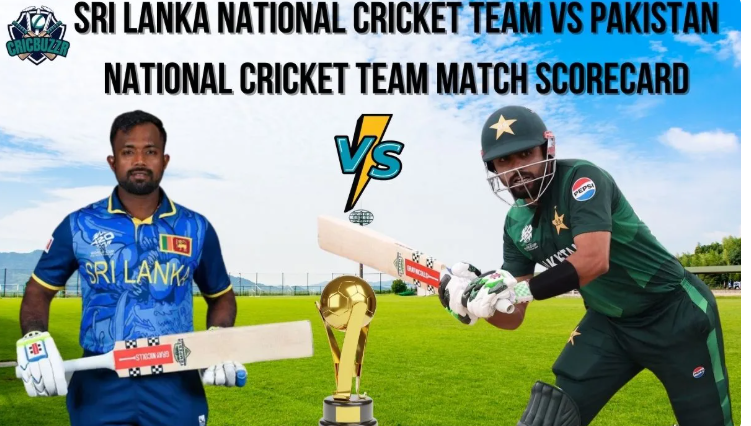
Sri Lanka National Cricket Team Vs Pakistan National Cricket Team Match Scorecard
Table of Contents
The Sri Lanka National Cricket Team Vs Pakistan National Cricket Team Match Scorecard represents far more than a collection of numbers and statistics. It tells the story of two proud cricketing nations that have shared decades of competitive battles across Tests, One Day Internationals, and T20 Internationals. From their earliest meetings to modern tournament clashes, both teams have produced unforgettable performances, remarkable individual achievements, and thrilling finishes. Their encounters have featured world-class batters, skillful bowlers, tactical captaincy, and passionate fan support. Every scorecard captures a unique chapter in this rivalry, reflecting moments of dominance, resilience, and determination that continue to make these contests among the most anticipated fixtures in international cricket.
Recent Matches Table
Date
Tournament
Venue
Winner
Margin
First Innings
Second Innings
28 Feb 2026
T20 World Cup
Pallekele
Pakistan
5 runs
212/8
207/6
11 Jan 2026
Bilateral T20I
Dambulla
Sri Lanka
14 runs
160/6
146/8
09 Jan 2026
Bilateral T20I
Dambulla
None
No result
Abandoned
Rain
07 Jan 2026
Bilateral T20I
Dambulla
Pakistan
6 wickets
128/10
129/4
14 Oct 2025
Bilateral T20I
Rawalpindi
Sri Lanka
6 runs
155/7
149/9
12 Oct 2025
Bilateral T20I
Rawalpindi
Pakistan
6 wickets
142/8
143/4
10 Oct 2025
Bilateral T20I
Rawalpindi
Pakistan
7 wickets
135/9
139/3
Team Statistics Summary Table
Team
Total Matches
Won
Lost
Tied
No Result
Win Percentage
Pakistan
6
4
2
0
0
66.66
Sri Lanka
6
2
4
0
0
33.33
Combined
12
6
6
0
0
50.00
Batting 1st
6
2
4
0
0
33.33
Batting 2nd
6
4
2
0
0
66.66
At Dambulla
3
1
1
0
1
33.33
At Pallekele
1
1
0
0
0
100.00
Individual Batting Records Table
Player Name
Team Country
Total Runs
Balls Faced
Fours Hit
Sixes Hit
Strike Rate
Sahibzada Farhan
Pakistan
100
60
9
5
166.66
Fakhar Zaman
Pakistan
84
42
9
4
200.00
Dasun Shanaka
Sri Lanka
76
31
5
6
245.16
Pavan Rathnayake
Sri Lanka
58
38
4
3
152.63
Mohammad Rizwan
Pakistan
52
41
5
1
126.82
Kusal Mendis
Sri Lanka
44
29
4
2
151.72
Babar Azam
Pakistan
38
28
3
1
135.71
Individual Bowling Records Table
Player Name
Team Country
Overs Bowled
Runs Conceded
Wickets Taken
Economy Rate
Average
Dilshan Madushanka
Sri Lanka
4.0
28
3
7.00
9.33
Wanindu Hasaranga
Sri Lanka
4.0
24
2
6.00
12.00
Dasun Shanaka
Sri Lanka
3.0
22
2
7.33
11.00
Shaheen Shah Afridi
Pakistan
4.0
48
1
12.00
48.00
Haris Rauf
Pakistan
4.0
32
1
8.00
32.00
Naseem Shah
Pakistan
4.0
36
1
9.00
36.00
Dushmantha Chameera
Sri Lanka
4.0
42
1
10.50
42.00
When Two Asian Giants Began Crossing Paths
The rivalry started as a contest between an established cricket force and a developing side eager to prove its potential. Early encounters created valuable lessons and gradually built mutual respect. One team relied on experience and tactical discipline, while the other focused on growth and fearless cricket. As bilateral series became more frequent, every meeting added a new layer to the relationship between the sides. Fans from both nations quickly embraced the contests, creating passionate atmospheres whenever the teams met. The early years may not have produced many dramatic finishes, but they established the foundation for decades of competitive cricket. These matches allowed future stars to emerge and gave supporters a glimpse of a rivalry that would eventually become one of Asia’s most respected sporting contests.
Era
Strength
Challenge
Result
Early Years
Experience
Adaptation
Learning
Bilateral Games
Consistency
Pressure
Growth
Home Matches
Familiarity
Expectations
Progress
Away Matches
Discipline
Conditions
Development
Fan Interest
Support
Rivalry
Popularity
The First Encounters That Set the Tone
The opening contests revealed contrasting cricket philosophies and highlighted the importance of patience in international cricket. Early scorecards reflected the gap in experience, yet they also showcased moments of promise from emerging players. Each match brought valuable exposure and encouraged improvements in batting, bowling, and fielding standards. The contests were competitive enough to keep spectators engaged and demonstrated how quickly momentum could shift in international cricket. While victories often belonged to the more experienced side, the performances of young players suggested that future meetings would become increasingly balanced. Those first encounters became reference points for future generations and laid the groundwork for a rivalry built on determination and resilience.
Aspect
Team Focus
Key Factor
Outcome
Batting
Stability
Partnerships
Runs
Bowling
Accuracy
Discipline
Wickets
Fielding
Energy
Awareness
Chances
Captaincy
Strategy
Decisions
Momentum
Preparation
Planning
Execution
Improvement
Sri Lanka’s Rise Changed Everything
A period of transformation altered the balance of power and gave the rivalry a fresh identity. Improved batting depth, innovative tactics, and greater confidence enabled stronger performances against established opponents. Every series became more competitive as players embraced aggressive cricket and attacked pressure situations with belief. The growing competitiveness increased fan engagement and raised expectations whenever the teams faced each other. Tactical flexibility became a major strength, helping matches remain unpredictable from start to finish. This phase represented a turning point because it transformed routine contests into high-profile battles where both sides expected victory. The rivalry gained greater significance across the cricket world as performances improved and memorable contests became increasingly common.
Area
Improvement
Impact
Result
Batting
Aggression
Faster Scoring
Success
Bowling
Variety
Control
Breakthroughs
Fielding
Fitness
Efficiency
Pressure
Leadership
Confidence
Direction
Consistency
Team Culture
Belief
Unity
Progress
The World Cup Stage Raised the Stakes
Global tournaments added a completely different level of pressure to the rivalry. Every run, wicket, and fielding effort carried greater importance because tournament survival often depended on the outcome. Players faced intense scrutiny from supporters and media, making composure a critical factor. Several memorable performances emerged during these events as individuals embraced responsibility under enormous pressure. Tactical planning became more detailed, with teams studying weaknesses and preparing specific matchups. The excitement surrounding these contests extended far beyond the participating nations and attracted worldwide attention. Tournament clashes elevated the rivalry by creating moments that remained unforgettable long after the matches ended.
Tournament Stage
Focus
Pressure Level
Effect
Group Match
Qualification
High
Intense
Super Stage
Momentum
Higher
Confidence
Knockout
Survival
Extreme
Drama
Semi Final
Opportunity
Massive
Tension
Final Stage
Glory
Maximum
Legacy
Captains Who Turned Matches Into Chess Games
Leadership often played a decisive role in shaping outcomes. Successful captains understood the importance of timing, field placements, and bowling changes during critical moments. Their decisions influenced momentum and frequently determined whether pressure shifted toward or away from their teams. Great leaders inspired confidence and encouraged players to remain focused despite difficult situations. Tactical battles between captains added another fascinating dimension to the rivalry because every adjustment forced an immediate response. Strategic thinking became just as important as individual skill, and many memorable victories were built on smart leadership rather than raw talent alone.
Leadership Area
Approach
Influence
Benefit
Field Settings
Control
Pressure
Wickets
Bowling Changes
Timing
Momentum
Success
Batting Order
Flexibility
Balance
Stability
Motivation
Confidence
Energy
Performance
Planning
Strategy
Direction
Results
Batting Icons Who Owned the Rivalry
Several batting legends produced extraordinary performances that shaped the history of these contests. Their ability to score runs under pressure often separated victory from defeat. Some relied on elegant stroke play while others dominated through power and aggression. Long partnerships frustrated bowlers and frequently changed the direction of important matches. Consistency across different conditions highlighted the quality of these batters and enhanced their reputations among supporters. Their achievements became key chapters in the rivalry, inspiring future generations to embrace responsibility when facing high-pressure situations.
Skill
Contribution
Advantage
Impact
Technique
Consistency
Reliability
Runs
Power
Boundary Hitting
Momentum
Pressure
Patience
Occupying Crease
Stability
Control
Partnerships
Teamwork
Balance
Success
Finishing
Match Control
Confidence
Victory
Fast Bowlers, Spinners and Unforgettable Spells
Bowlers have frequently been responsible for the most dramatic moments in the rivalry. Fast bowlers used pace and movement to challenge batters, while spinners relied on variation and accuracy to create opportunities. Exceptional spells often transformed matches within a few overs and shifted momentum instantly. Conditions played a major role in determining strategies, forcing bowlers to adapt their methods and exploit available assistance. Supporters remember many contests because of remarkable wicket-taking performances that changed seemingly certain outcomes. These bowling displays highlighted the importance of skill, patience, and tactical awareness in high-pressure cricket.
Bowling Type
Strength
Method
Result
Fast Bowling
Pace
Attack
Wickets
Swing Bowling
Movement
Deception
Breakthroughs
Spin Bowling
Turn
Control
Pressure
Seam Bowling
Accuracy
Consistency
Chances
Death Bowling
Execution
Precision
Success
Conclusion
The Sri Lanka National Cricket Team Vs Pakistan National Cricket Team Match Scorecard highlights a rivalry built on respect, competitiveness, and memorable cricketing moments. Over the years, both sides have delivered dramatic victories, record-breaking performances, and intense contests that have entertained fans around the world. Their battles have evolved through different generations, with legendary players leaving lasting marks on the rivalry through exceptional batting, bowling, and leadership. Each encounter has added new stories and statistics to an already rich history. As emerging talents continue to represent their nations, future meetings promise even more excitement, ensuring that this enduring cricket rivalry remains a significant and celebrated part of the international game.





Post Comment